



Acceptable defective rate for wholesale phone screens isn’t some factory-side trivia; it’s the line between profit and a slow leak of returns, refunds, and frustrated customers blowing up your inbox.
You don’t need lab jargon, just a sense of what defect levels you can live with, what will eat your margins, and how to spot suppliers who won’t ghost you when batches go sideways.
Key Points: Acceptable defective rate for wholesale phone screens
➔ Definition: Defines allowable faults in bulk to balance cost and customer satisfaction
➔ AQL Sampling: Sample-based thresholds guide batch acceptance without the expense of full inspection
➔ Metrics: PPM tracks defects per million; yield rate measures functional unit share
➔ Failure Triggers: Exceeding limits prompts root-cause analysis of flicker, dead pixels or flex cable faults
➔ QC Processes: Visual, functional, touch calibration, stress tests and AQL sampling ensure consistent quality
Defining Acceptable Defective Rate for Wholesale Phone Screens
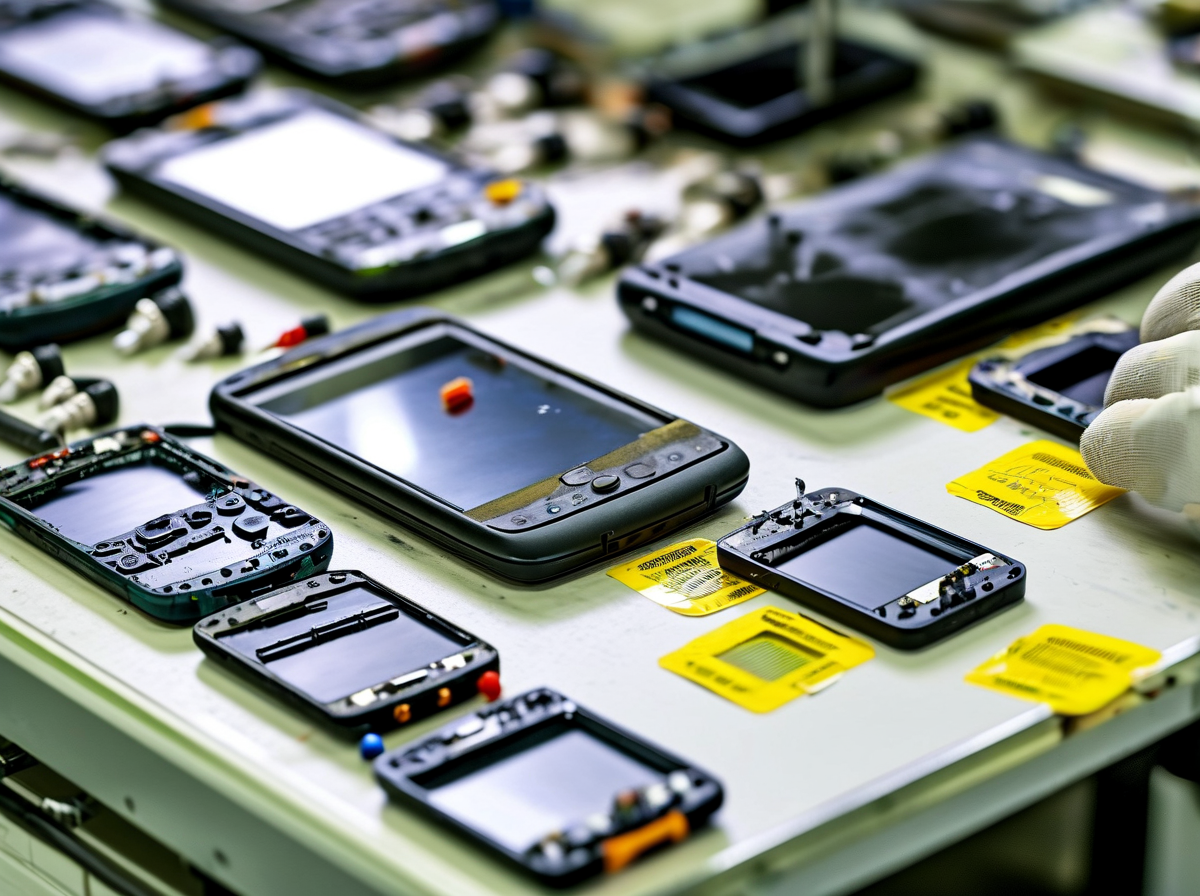
When buyers talk about the Acceptable defective rate for wholesale phone screens, they’re really asking one thing: how many bad units can slip through before it hurts business? In bulk LCD and OLED trading, margins are tight. A smart balance between Product Quality, cost control, and realistic inspection standards keeps returns low and trust high.
What’s an Acceptable Defective Rate?
The Acceptable defective rate for wholesale phone screens sets the Acceptable Threshold for Screen Defects across LCD panels, digitizers, and full assemblies. In wholesale quality control, this rate protects both cash flow and reputation.
At its core:
-
Defective Rate reflects faulty units ÷ total units.
-
A clear Quality Standard defines pass/fail criteria.
-
Wholesale buyers track trends, not just single lots.
For bulk display procurement, buyers often break it down:
-
Cosmetic defects (minor scratches).
-
Functional failures (dead pixels, no touch).
-
Critical failures (no display, short circuit).
In practice, the Acceptable defective rate for wholesale phone screens often ranges between 0.5% and 3%, depending on model tier and price band. Premium OLED? Tighter limits. Budget LCD? Slightly more breathing room.
Short version: control the rate, protect Wholesale Quality, keep customers chill.
Understanding Acceptable Quality Level (AQL)
The Acceptable defective rate for wholesale phone screens is enforced through Acceptable Quality Level inspection.
Within AQL Standards, evaluation usually follows:
-
Inspection level selection
-
General Level II (common for phone screens)
-
Special levels for high-risk lots
-
-
Inspection Lot sizing
-
Sampling Plan calculation
-
Defect Classification
-
Critical
-
Major
-
Minor
-
Example reference table used in screen inspection:
| Lot Size | Sample Size | AQL 1.0 Max Defects | AQL 2.5 Max Defects |
|---|---|---|---|
| 500 | 50 | 1 | 3 |
| 1,200 | 80 | 2 | 5 |
| 3,200 | 125 | 3 | 7 |
| 10,000 | 200 | 5 | 10 |
If defects exceed the allowed number, the batch fails Quality Assurance review. Simple math. Serious impact.
Parts Per Million vs. Yield Rate
When factories discuss the Acceptable defective rate for wholesale phone screens, engineers prefer Quality Metrics.
Here’s how it splits:
-
Parts Per Million (PPM) = defect units × 1,000,000 ÷ total shipped
-
Yield Rate = functional displays ÷ total produced
Grouped comparison:
-
Measurement focus
-
PPM → external defect visibility
-
Yield Rate → internal Production Efficiency
-
-
Usage
-
PPM → customer-facing contracts
-
Yield → factory optimization
-
-
Risk signal
- Rising Error Rate often predicts warranty claims
If yield drops below 97%, most serious buyers initiate deeper audits. That’s where partners like Screen Stocks step in, aligning supplier data with real shipment performance.
Failure Analysis Triggers
When the Acceptable defective rate for wholesale phone screens is breached, action kicks in fast.
Common Failure Analysis triggers:
-
Flickering under brightness stress
-
Touch dead zones
-
Flex cable fractures
-
High Product Failure returns within 30 days
The response typically flows like this:
-
Contain affected Inspection Lot.
-
Conduct Defect Analysis.
-
Electrical testing
-
Thermal cycling
-
Microscopic solder review
-
-
Identify Root Cause.
-
Adjust Quality Control checkpoints.
-
Re-validate shipment before release.
Minor spikes happen. Persistent drift? That’s a supplier issue.
For wholesalers serious about the Acceptable defective rate for wholesale phone screens, data discipline isn’t optional. It’s the difference between steady repeat buyers and nonstop RMA headaches. Screen Stocks keeps that balance tight—clean metrics, controlled risk, fewer surprises.
Key Quality Metrics & Standards in Screen Manufacturing

In wholesale display sourcing, quality isn’t guesswork. Buyers constantly ask about the Acceptable defective rate for wholesale phone screens, because profit margins hinge on it. From Process Capability to Contrast Ratio, every metric connects to the acceptable defective rate, screen yield, and long‑term reliability.
Statistical Process Control Explained
When factories discuss the Acceptable defective rate for wholesale phone screens, the talk starts with Control Charts.
-
Track the Mean output daily
-
Compare variation against Upper Control Limit and Lower Control Limit
-
Flag Out of Control Signals
-
Measure panel bonding accuracy
-
Calculate Standard Deviation
-
Review Process Capability index
-
Adjust equipment tolerance
At a deeper level:
-
Production Stability
-
Data Collection
-
Touch sensitivity variance
-
Dead pixel counts
-
-
Statistical Review
- Cp / Cpk benchmarks
-
-
Yield Optimization
-
Root cause tracing
-
Supplier grading
-
If the acceptable defect rate for phone screens rises above target, returns spike. Screen Stocks applies layered SPC tracking so the Acceptable defective rate for wholesale phone screens stays predictable, not random.
Why Pixel Density Matters
Higher Pixels Per Inch (PPI) directly improves Image Clarity and Display Quality. Low density exaggerates edge distortion and increases perceived defects.
Short takeaways:
-
More PPI → better Screen Sharpness
-
Stable Resolution → fewer customer complaints
-
Balanced rendering → smoother Visual Experience
The acceptable screen defect rate often looks worse on low-PPI panels because flaws stand out. That’s why the Acceptable defective rate for wholesale phone screens must be reviewed alongside resolution specs.
Brightness Uniformity Benchmarks
Uniform backlighting defines perceived quality and keeps the Acceptable defective rate for wholesale phone screens under control.
| Test Point | Luminance (nits) | Uniformity Percentage | Brightness Variation (%) |
|---|---|---|---|
| Center | 520 | 100% baseline | 0% |
| Top Edge | 505 | 97% | 2.9% |
| Bottom Edge | 498 | 95.7% | 4.2% |
| Corner Avg | 492 | 94.6% | 5.4% |
Nested evaluation logic:
-
Measurement Zones
-
Center Brightness reference
-
Edge Brightness comparison
-
-
Calibration Flow
-
Pre-aging test
-
Display Calibration adjustment
-
-
Acceptance Rule
-
≤5% variation preferred
-
Beyond 8% → defect review
-
Poor uniformity increases wholesale screen defect rate claims. Screen Stocks controls Luminance spread tightly to maintain the Acceptable defective rate for wholesale phone screens within contracted limits.
Contrast Ratio and Viewing Angle Standards
High Contrast Ratio protects Black Levels depth and White Levels clarity. Weak contrast leads to Image Degradation at wider Viewing Angle positions.
Key checks include:
-
△ Color Shift under 45° tilt
-
◇ Stable Color Accuracy
-
○ Minimal grayscale distortion
Evaluation layers:
-
Optical Metrics
-
Static contrast ≥1200:1
-
Gamma stability
-
-
Angular Review
-
0° baseline
-
30° brightness retention
-
60° color variance
-
IDC’s 2025 display supply outlook notes that “panel consistency and controlled defect ratios remain top purchasing criteria for global device assemblers,” reflecting stronger buyer focus on measurable defect thresholds.
In real trade terms, the Acceptable defective rate for wholesale phone screens is not just a percentage. It’s tied to contrast stability, viewing performance, and end-user trust. Control those, and the acceptable defect rate for phone screens stays profitable—not painful.
Common Defect Manifestations and Their Tolerance Levels
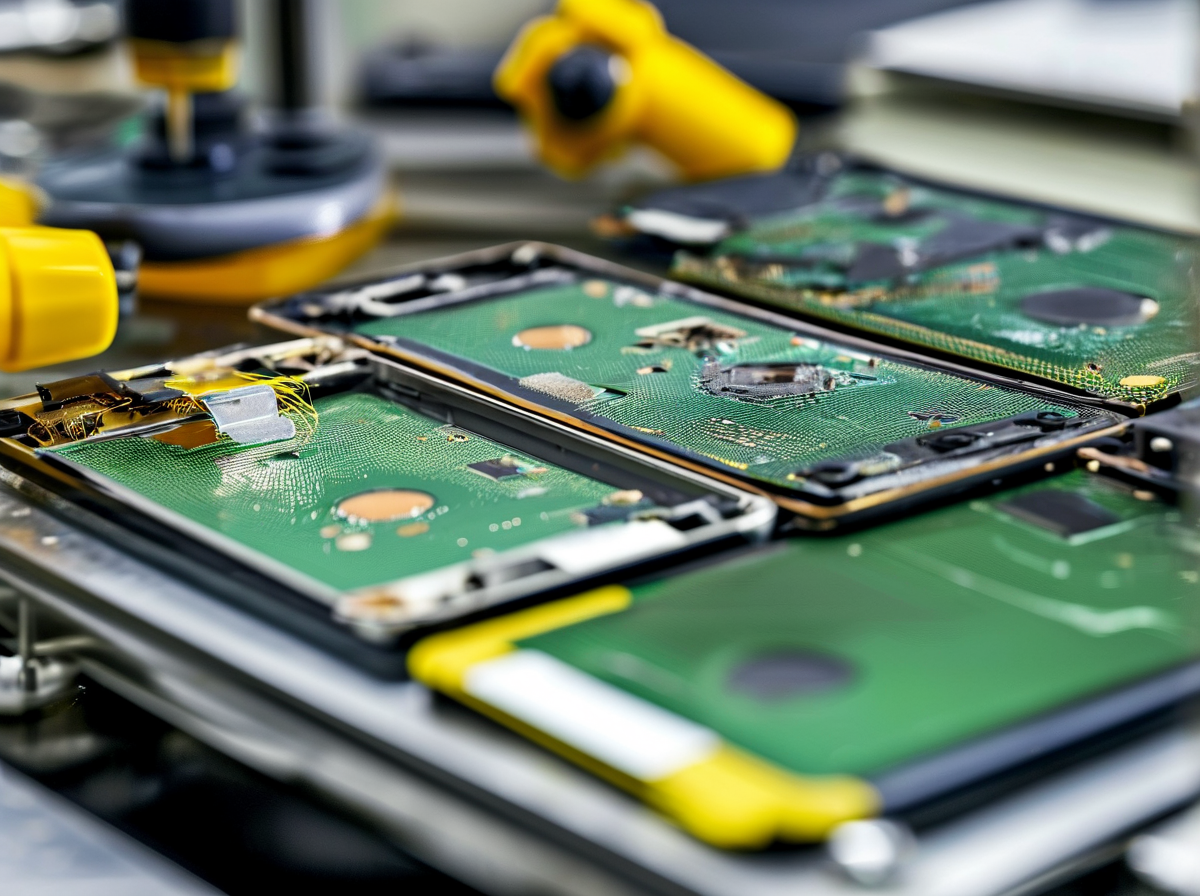
Understanding the Acceptable defective rate for wholesale phone screens isn’t just about counting flaws. It’s about knowing which defects are deal-breakers and which fall inside a reasonable tolerance threshold for bulk buyers chasing stable wholesale screen quality standards.
Dead Pixels in LCD Panels
When reviewing the Acceptable defective rate for wholesale phone screens, pixel issues usually spark the loudest debates.
-
A single dead pixel may pass inspection.
-
A stuck pixel showing constant red or green often draws attention.
-
A pixel cluster quickly raises rejection risk.
In practical wholesale defective rate assessments, evaluation often follows this logic:
-
Confirm total pixel count based on screen size.
-
Identify sub-pixel defects under controlled visual inspection lighting.
-
Compare findings with the agreed tolerance threshold.
For bulk buyers working with Screen Stocks, assessment typically breaks down further:
-
Pixel condition
-
Isolated dead pixel
-
Multiple scattered dots
-
Tight pixel cluster
-
-
Quantity impact
-
Within acceptable defective rate
-
Exceeding acceptable defect rate for phone screens
-
A clean panel with one tiny flaw? Usually acceptable. Five clustered defects? That’s pushing past the Acceptable defective rate for wholesale phone screens most distributors agree on.
Bright Spots and Discoloration
Bright spot, white spot, or mild yellow tint problems often stem from backlight bleed or uneven panel pressure.
Inspection normally includes:
-
Checking color uniformity on gray backgrounds
-
Scanning edges for uneven lighting
-
Noting visible discoloration
According to a 2025 DSCC display market brief:
“Panel uniformity remains one of the top three quality concerns in secondary smartphone display markets, directly influencing return ratios.”
Wholesale screen defect tolerance here depends on visibility during normal use. Slight edge glow in a dark room? Often acceptable. Central bright spot visible in daylight apps? That crosses most acceptable defect rate for phone screens agreements.
Screen Stocks aligns grading with real retail expectations, keeping the Acceptable defective rate for wholesale phone screens realistic—not overly picky, not careless.
Scratches vs. Cracks on Glass Lens
Glass condition splits into two camps: cosmetic and structural.
-
Surface scratch
-
Deep scratch
-
Hairline crack
-
Impact crack
Evaluation logic:
-
Inspect glass integrity under angled light.
-
Classify as cosmetic damage or functional impairment.
-
Confirm touch and display performance.
Nested tolerance approach:
-
Cosmetic level
-
Light surface scratch outside viewing area
-
Minor deep scratch near bezel
-
-
Structural level
-
Any hairline crack
-
Spreading impact crack
-
Cracks almost always exceed the Acceptable defective rate for wholesale phone screens in serious distribution channels. Scratches? Sometimes negotiable, depending on the wholesale defective rate agreement.
Unresponsive Touch Screen Zones
Touch problems can hide until real testing begins.
Key defect types:
-
Dead zone
-
Ghost touch
-
Multi-touch issue
-
Input lag
Multi-step evaluation in practice:
-
Run grid testing for touch sensitivity.
-
Check rapid swipes for screen responsiveness.
-
Test pinch gestures for capacitive failure signs.
Deeper classification often follows:
-
Functional stability
-
Stable full-panel response
-
Minor edge dead zone
-
-
Signal anomaly
-
Random ghost touch
-
Consistent multi-touch issue
-
Unlike minor pixel flaws, touch defects directly affect usability. Even a small dead zone can exceed the acceptable defect rate for phone screens in wholesale contracts.
That’s why Screen Stocks keeps functional testing tight, ensuring every batch respects the Acceptable defective rate for wholesale phone screens while protecting resellers from messy after-sales drama.
Quality Control Processes to Ensure Acceptable Defective Rates

Keeping the Acceptable defective rate for wholesale phone screens under control isn’t luck—it’s process. When buyers talk about acceptable defect rates or wholesale phone screen defect rate targets, they’re really asking one thing: can this batch hold up in real repairs? Here’s how that standard gets locked in.
Step 1 – Visual Inspection for Display Assembly
Inspection starts with the basics, but it goes deep.
-
Check Pixel defects and Dead pixels under white and black screens.
-
Review Color uniformity for tint shifts.
-
Scan for Screen blemishes and Surface scratches.
-
Confirm Frame alignment against housing samples.
-
Inspect bonding lines under magnification.
-
Recheck edges for micro-cracks.
Nested control flow keeps the acceptable defective rate steady:
-
Panel Surface
-
Glass: scratch scan
-
Polarizer: bubble check
-
-
Display Output
-
Brightness tone match
-
Edge shadow review
-
Tight visual gates directly protect the Acceptable defective rate for wholesale phone screens.
Step 2 – Functional Testing of Backlight and Flex Cable
Performance testing hits power and signal stability.
-
Measure Backlight brightness levels.
-
Confirm Uniformity of illumination.
Under load conditions:
-
Power System
-
Verify Power delivery stability
-
Track voltage fluctuation
-
-
Signal Path
-
Inspect Flex cable integrity
-
Test Connector security
-
Validate Signal transmission
-
If flicker shows up, that batch won’t meet the acceptable defective rate for phone screens. Period.
Step 3 – Touch Calibration for Responsiveness
Touch quality decides real-world returns.
Quick checks:
-
Touch sensitivity mapping
-
Ghost touches elimination
-
Multi-touch accuracy validation
Deep calibration includes:
-
Gesture Layer
-
Swipe gestures continuity
-
Tap detection precision
-
-
Timing Control
-
Measure Screen latency
-
Adjust firmware thresholds
-
Dialing this in keeps the defective rate for wholesale screens within agreed limits.
Step 4 – Stress Testing Surface Hardness
Durability testing isn’t guesswork.
• Assess Scratch resistance using graded tools
• Record Impact resistance drop data
Structured testing model:
-
Mechanical Stress
-
Pressure tolerance at center and corners
-
Edge compression trials
-
-
Wear Simulation
-
Abrasion testing cycles
-
Review Surface durability
-
Confirm Material integrity
-
Only screens passing stress metrics qualify under the Acceptable defective rate for wholesale phone screens benchmark.
Step 5 – Sampling Inspection and QA Documentation
Final approval depends on controlled sampling and paperwork discipline.
Sampling workflow:
-
Lot Review
-
Apply AQL for Lot acceptance
-
Tag by Defect classification
-
-
Documentation
-
Maintain Inspection logs
-
Issue Quality reports
-
Conduct Root cause analysis
-
Confirm Compliance standards
-
IDC’s 2025 supply chain outlook notes that component vendors maintaining defect rates below 1.5% report significantly stronger long-term buyer retention in the mobile parts trade.
That’s why Screen Stocks keeps batch tracking tight. Every shipment is tied to data, not guesswork. Hitting the Acceptable defective rate for wholesale phone screens consistently builds trust—and in wholesale, trust is everything.
Implications for Wholesale Business Operations

Bulk screen trading runs on thin margins. If the Acceptable defective rate for wholesale phone screens drifts out of control, profits vanish fast. Tight systems keep defect rates predictable and buyers confident.
Wholesale Distribution: Bulk Inventory Quality Checks
Managing the Acceptable defective rate for wholesale phone screens starts inside the warehouse.
-
Set clear quality control thresholds before stock hits shelves.
-
Apply consistent sampling methods during intake.
-
Document every defect identification result for traceability.
-
Receiving stage → visual inspection process
-
Mid-batch → randomized batch testing
-
Pre-shipment → final performance validation
At an operational level:
-
Inventory management
-
Incoming stock
-
A. Cosmetic grading
-
B. Flex cable check
-
-
Functional screening
-
A. Brightness calibration
-
B. Touch response mapping
-
-
Keep the acceptable defect rate for wholesale phone screens within a predefined range—many distributors aim for under 2–3% depending on model tier.
Excess Returns? Streamline RMA Procedures
Returns eat margins. A smart return merchandise authorization flow protects cash.
• Clear return policy terms
• Faster processing efficiency
• Accurate reconciliation
When the acceptable defect rate for wholesale phone screens spikes, structured dispute resolution and responsive customer service expose root causes quickly.
Short cycles matter. Quick approvals. Fast replacements. Clean data trails.
Ensuring Packaging Integrity in Transit
Transit damage can distort your wholesale phone screen defect rate overnight.
-
Certified shipping materials
-
Defined packaging standards
-
Monitored carrier performance
Logistics control includes:
-
Inner cushioning → anti-static sleeves
-
Carton strength → compression-rated boxes
-
Handling rules → labeled stacking limits
Strong handling procedures reduce cracks, scratches, and hidden flex failures that inflate the Acceptable defective rate for wholesale phone screens beyond agreed limits.
Supplier Agreements for Batch Consistency
The acceptable defect rate for wholesale phone screens is negotiated, not guessed.
-
Supplier contracts
-
Quality clauses
-
A. Defined manufacturing standards
-
B. Target batch uniformity levels
-
-
Oversight
-
A. Scheduled auditing
-
B. Monthly performance metrics
-
-
Clear quality assurance benchmarks, warranty timelines, and penalty terms keep batch variance low. Consistency is boring—but in wholesale, boring makes money.







Recent Comments