


Refurb OEMs are shaking up the iPhone screen wholesale scene—lower costs, green creds, and margins your accountant will high-five.
By now, if you’re deep in the iPhone screen wholesale game, you’ve probably felt the shift buzzing through your bulk order sheets. Not long ago, buyers insisted on factory-fresh displays like picky coffee drinkers demanding single-origin espresso. Now? Refurbished OEM screens are stealing the spotlight—cleaned up, recalibrated, and strutting onto pallets with all their pixels intact.
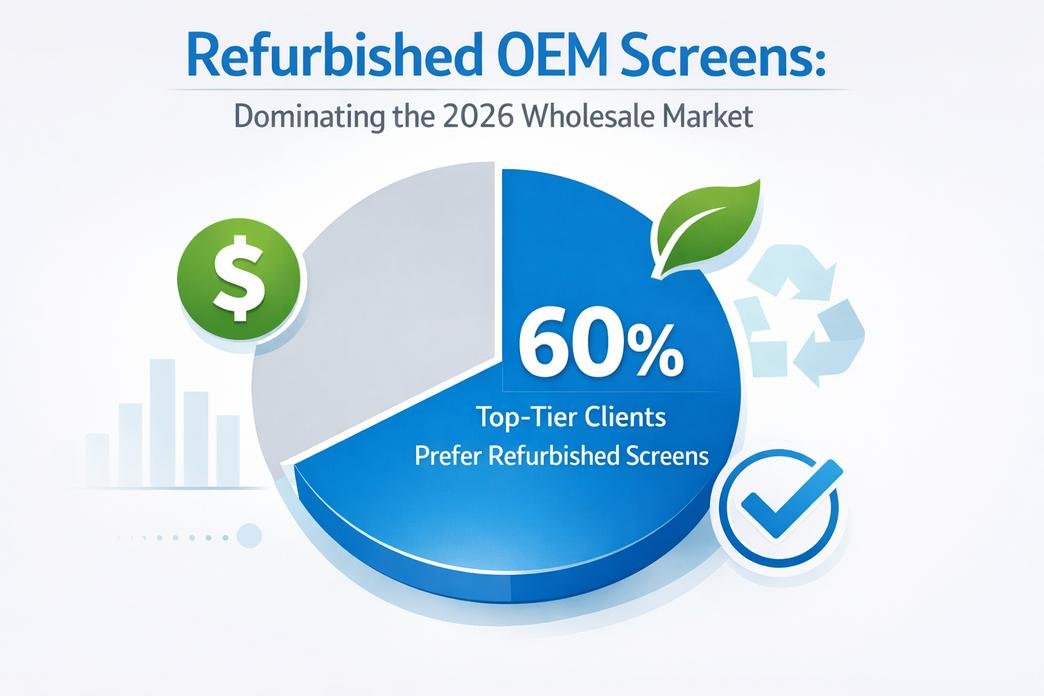
It’s not just a trend; it’s a full-blown change of course. Think green isn’t profitable? Think again. Lower costs per unit plus higher consumer trust equals fatter margins for suppliers who know what they’re doing. “We started replacing new panels with Grade-A refurb screens back in 2025,” says Alex Chen, inventory manager at DisplayCore in Shenzhen. “Now over 60% of our top-tier clients prefer them—not just for price but consistency.”
Wholesalers used to flinch at ‘refurbished,’ picturing dim screens or sticky adhesive edges. But today’s certified parts hit OEM standards on brightness and color fidelity—and meet strict customs compliance too.
So what’s driving this teardown-and-rebuild boom? Keep reading—we’ll break it down without any fluff or circuit-board jargon.
iPhone Screen Wholesale Market Trends: The Shift Toward Sustainability
The iPhone screen wholesale world is going green fast—here’s how demand, tech specs, packaging, and policy are reshaping the game.
Market Demand: Seasonal Fluctuations in Refurbished Retina Display Sales
- 📌 Q4 always hits different—retailers bulk up on refurbished screens ahead of holiday upgrades.
- 📌 Back-to-school season also triggers spikes, especially as students replace older devices.
- 📌 Summer? Slower sales, but B2B buyers prep for fall inventory restocks.
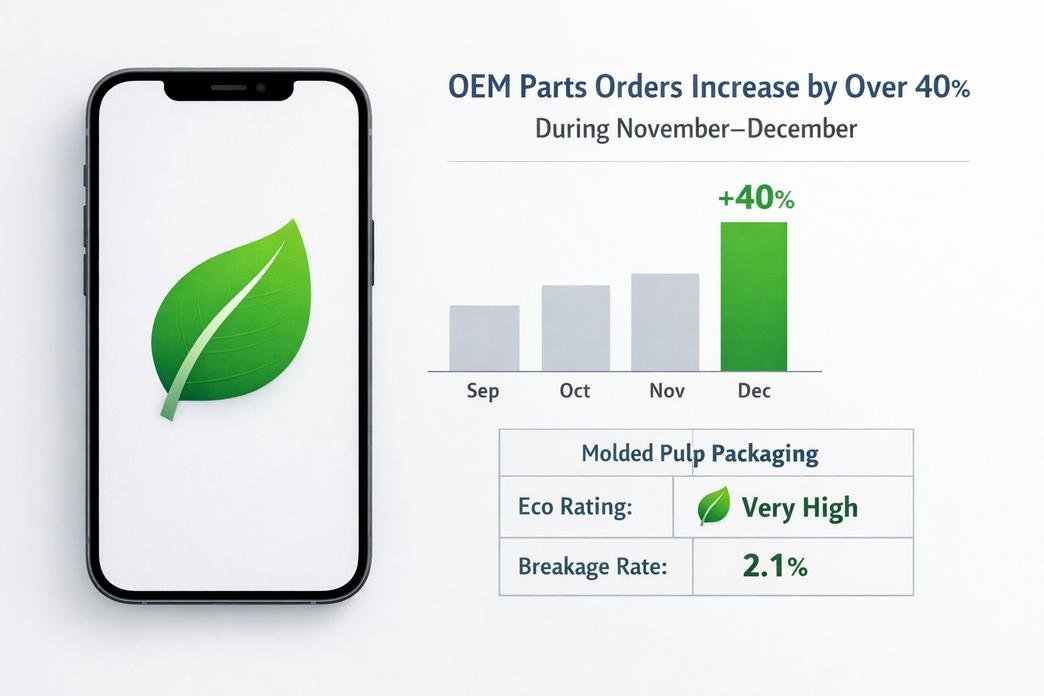
- During November–December, orders for OEM parts increase by over 40%.
- Trade-in programs drive mid-year surges in refurbished display demand.
- Retailers often align their stockpiles with Apple keynote events.
• Supply chain planners treat Q4 like gold—timing is everything.
When retailers plan for these cycles correctly, they avoid overstocking and reduce waste—key to staying competitive in the evolving wholesale market.
How Pixel Density Drives B2B Purchasing of LCD Assemblies
1) High pixel-per-inch (PPI) counts mean better visual clarity—a must-have for enterprise resellers focused on premium quality.
2) Bulk buyers now demand displays that replicate OEM parts, especially for newer iPhones with Super Retina specs.
→ A display with 458 PPI versus 326 PPI can make or break a sale when end-users expect crisp visuals.
Buyers targeting high-end markets prioritize sharpness and color fidelity to maintain brand trust and meet tight performance standards expected from modern screens.
Bulk Packaging Solutions for OLED Panel Refurbishment
| Packaging Type | Avg Cost per Unit | Breakage Rate (%) | Eco Rating |
|---|---|---|---|
| Foam Inserts | $0.45 | 6.5 | Medium |
| Molded Pulp | $0.38 | 3.2 | High |
| Bubble Sleeves | $0.52 | 9.8 | Low |
| Stackable Shells | $0.41 | 2.1 | Very High |
Grouped packaging cuts down on both carbon footprint and cracked glass returns during transit—a win-win for any refurbisher trying to lower their environmental impact while saving cash on shipping fees.
Short-term savings are great, but long-term adoption of these methods supports broader shifts toward a more efficient circular economy within electronics repair logistics.
Navigating Import Regulations for Sustainable Display Modules
A few steps can save weeks at customs:
Step 1: Ensure every shipment includes full documentation proving compliance with local e-waste laws and trade agreements related to eco-friendly components.
Step 2: Verify that all items meet regional safety certifications tied to refurbished electronic imports.
Step 3: Use HS codes specific to remanufactured modules instead of generic LCD/OLED classifications.
Step 4: Partner with freight forwarders experienced in handling tech goods under sustainability clauses.
Step 5: Maintain digital logs of each shipment’s origin and refurbishing process to back up your case if flagged by border agents.
Navigating these rules isn’t just red tape—it’s essential if you want smooth entry into high-demand markets prioritizing sustainable practices in their supply chains tied to the global repair industry boom driven by cost-effective solutions like refurbished iPhone screens.
The Hidden Costs of New OEM Screens: Refurbished Parts vs. New
Refurbished or brand-new? Let’s break down what really goes into your iPhone screen wholesale decisions.
Refurbished Parts
Refurbished screens aren’t just about saving cash—they’re a smarter way to keep things running without trashing the planet. Here’s why:
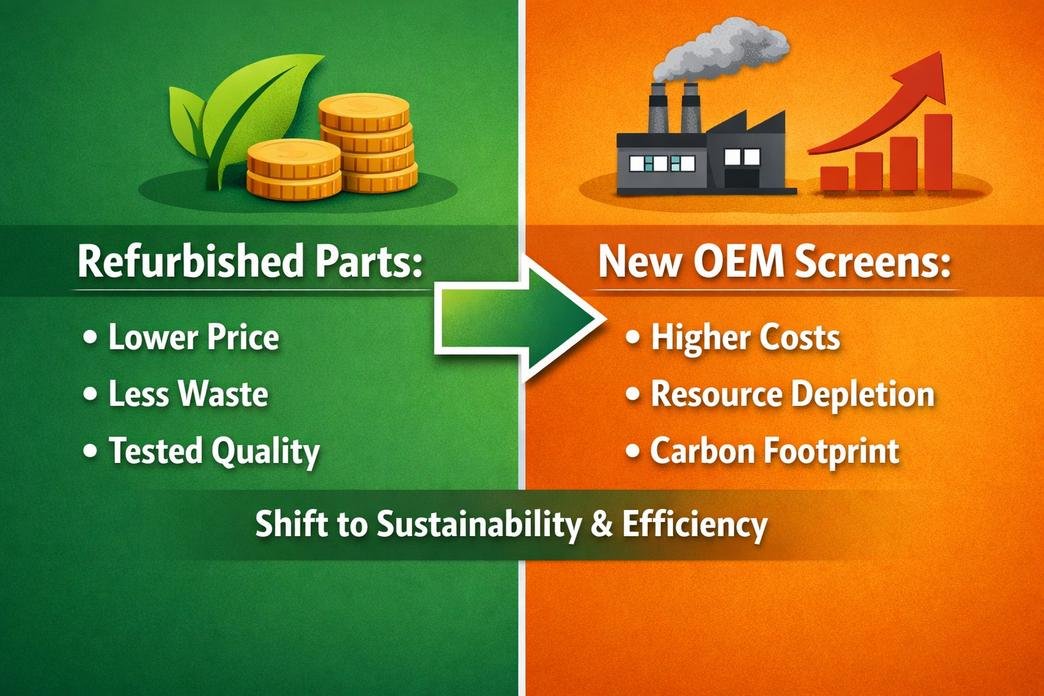
- ✅ Lower price tags mean better margins for retailers in the iPhone screen wholesale game.
- ✅ They cut down on waste generation, keeping old parts out of landfills.
- ✅ With strict testing protocols, many refurbished screens match new ones in functional integrity.
There’s also less pressure on global component sourcing, which helps when supply chains get shaky. And don’t sleep on the eco-angle—lower energy consumption and reduced pollution make them a win for sustainability-minded resellers.
Short-term, some folks worry about higher failure rates, but with solid quality control, most certified refurb parts hold their own. Plus, when they come with legit warranty coverage, it’s easier to build back that all-important consumer trust.
New OEM Screens
OEMs bring precision and polish—but at a cost, literally and otherwise.
- Higher upfront costs drive up pricing across the entire iPhone screen wholesale market.
- Manufacturing new screens ramps up serious levels of resource depletion and adds to your product’s total carbon footprint.
- Long-haul shipping contributes to both delays and more environmental harm due to inefficient global distribution systems.
🔧 For sure, you’re getting top-tier compatibility and low defect rates from OEMs thanks to rigorous factory-level standards. But there’s no ignoring how much energy gets burned during production—and how much inventory sits unused due to long lead times in traditional supply chains.
In contrast, refurbished options often benefit from smarter use of existing materials through efficient reverse logistics, making them far more appealing for businesses looking at both profit margins and environmental impact.
5 Myths About Refurbished iPhone Screens—Debunked
Refurbished screens aren’t what they used to be. Let’s bust some myths and get real about what’s actually going on in the iPhone screen wholesale world.
Can Digitizer Replacements Ever Match OEM Grade Precision?
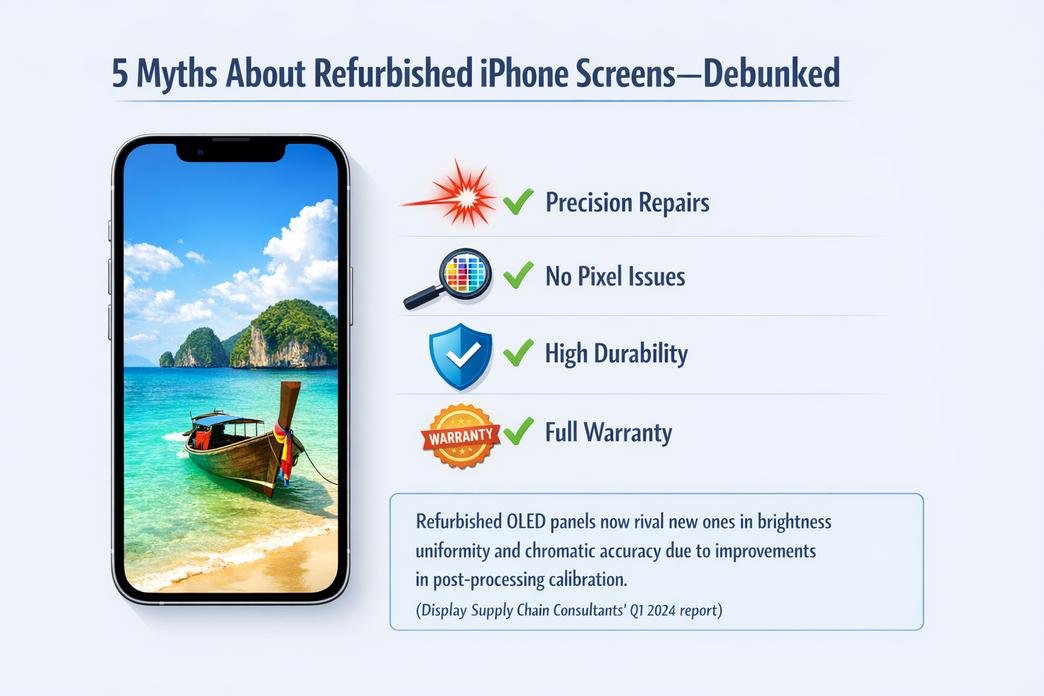
- ✅ High-end refurbishers use laser-aligned tools for digitizer calibration.
- ✅ Touch response is tested across multiple points, not just edges.
- ✅ Replacements often match or exceed older OEM parts in responsiveness.
When done right, refurbished digitizers can feel just as smooth as brand-new ones. The secret lies in precise reassembly using calibrated machinery and testing that mimics factory conditions. So no, your finger won’t lag behind anymore.
Are Aftermarket Quality Screens Prone to More Dead Pixels?
- Premium refurbishers follow strict performance metrics for pixel quality.
- Panels are screened under high-lumen light to detect even faint defects.
- Units with more than 1 dead pixel per million are usually rejected.
Dead pixels aren’t a given anymore. Today’s better-quality aftermarket screens go through rigorous checks that rival the original manufacturing processes used by Apple-certified factories.
Do Scratch-Resistant Refurbished Display Modules Really Last?
• Coated glass surfaces now mimic OEM-level durability testing.
• Many pass drop tests from waist height without cracking or scuffing.
• Anti-smudge layers help maintain clarity over time.
Some suppliers even apply additional oleophobic coatings after refurbishment to enhance resistance beyond original specifications. You’re not just getting old glass slapped back on—there’s science behind it now.
Color Accuracy for Professional Graphics
Color fidelity isn’t sacrificed like it used to be. In fact:
- Many refurbished OLEDs retain over 95% of sRGB color space accuracy.
- White balance is custom-calibrated during reassembly.
- Gamma curves are matched against Apple’s own display tuning profiles.
According to Display Supply Chain Consultants’ Q1 2024 report, “Refurbished OLED panels now rival new ones in brightness uniformity and chromatic accuracy due to improvements in post-processing calibration.”
So yes, even designers working with high-res images or video editing can rely on these screens—no weird tints or off-whites here.
Warranty Claims on Used Touchscreen Components: What You Need to Know
It’s not a gamble anymore:
- Most legit vendors offer 6–12 month warranties—even on used touchscreen components.
- Documentation includes serial matching and proof of component integrity checks.
- Some providers comply with regional consumer rights laws requiring coverage regardless of part origin.
If you’re buying through a reputable iPhone screen wholesale supplier, you’ll likely have better support than you’d expect—and sometimes better than sketchy repair shops using “new” parts without any paperwork at all.
The bottom line? These myths are outdated leftovers from years ago when refurbished meant risky business. Today’s market has evolved thanks to tighter controls, better tech, and smarter sourcing strategies across the global supply chain network supporting refurbished displays.
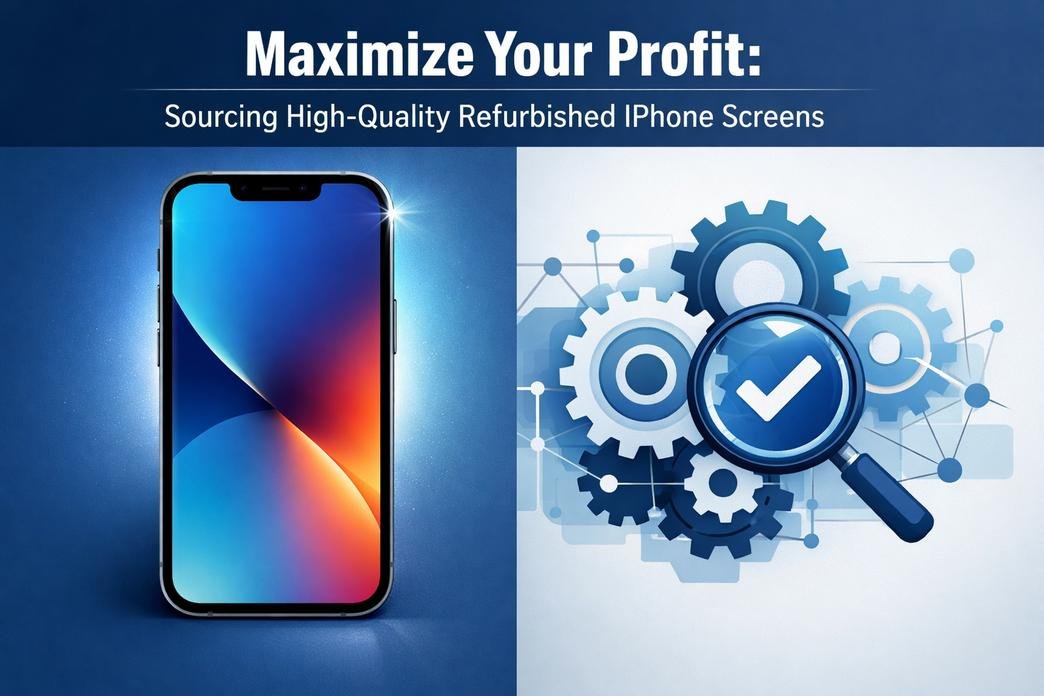
Maximize Your Profit: How to Source High-Quality Refurbished iPhone Screens
Getting into the iPhone screen wholesale game? Here’s how to do it right and keep your margins healthy.
Installation Guidance: Simplifying Touchscreen Component Replacement
Replacing a refurbished screen doesn’t have to be a pain. Start with thorough, clear guides—no guesswork.
- Use visual step-by-step diagrams during training.
- Always match screen versions by model number before installation.
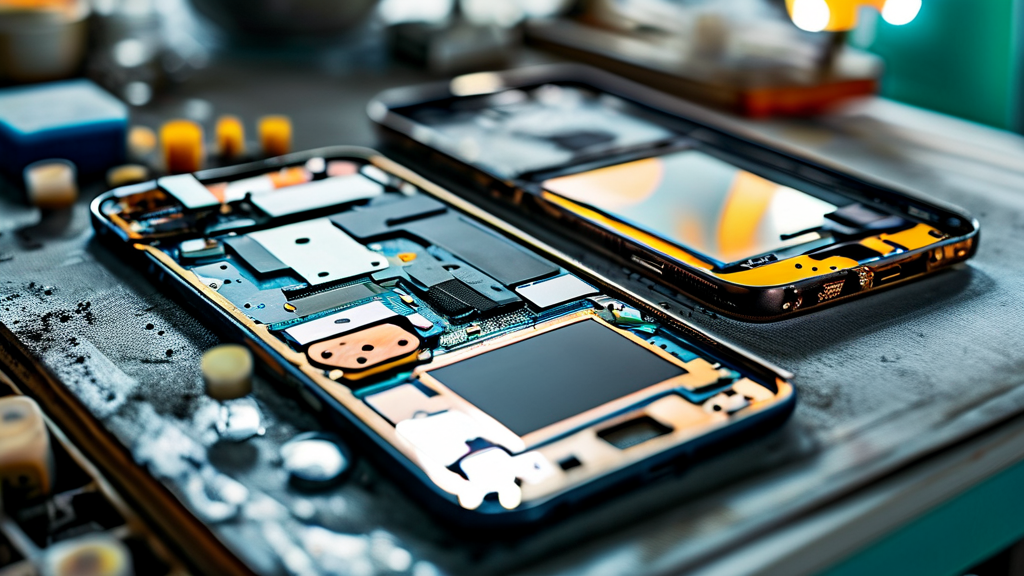
- Pre-test digitizers and LCDs outside the frame to confirm functional integrity.
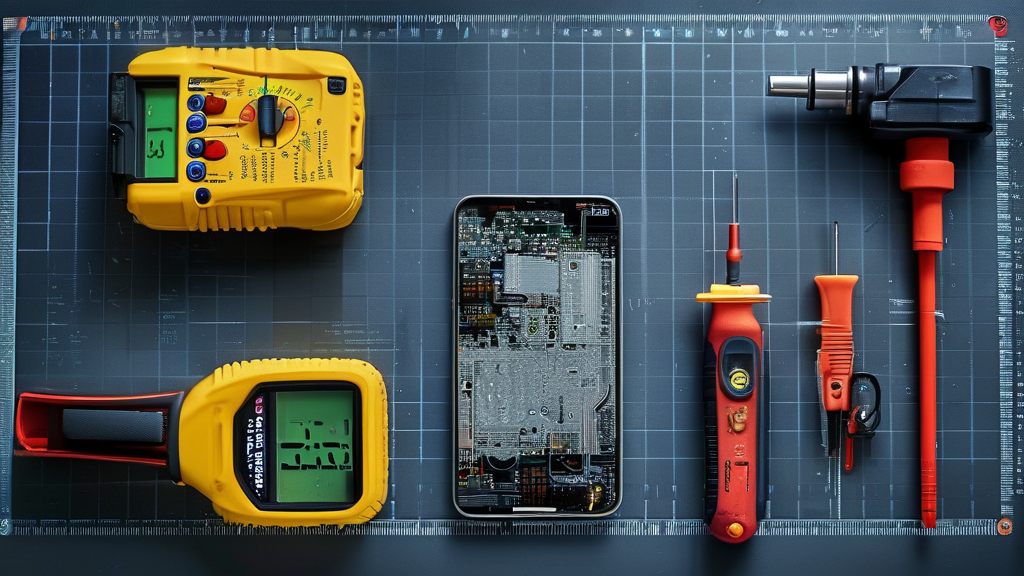
- Organize tools in a consistent layout for faster workflow.
Each technician should get familiar with the quirks of different refurb batches. Some might have slight variations in digitizer responsiveness, so always double-check before sealing up the device. Less rework, more profit.
Vendor Partnership Strategies for Consistent Supply
Building solid relationships with suppliers is what separates hustlers from pros.
- Vet vendors through third-party certification checks.
- Request samples and test them against your internal quality standards.
- Negotiate long-term terms that include flexible return options and strong warranty policies.
- Monitor performance quarterly using supplier scorecards based on delivery times, defect rates, and communication quality.
Don’t sleep on consistency—it’s your shield against market chaos when demand spikes or parts dry up.
Bulk Packaging and Shipping Insurance Essentials
One cracked box can cost hundreds in lost screens—don’t risk it.
• Use triple-layered cartons with anti-static bubble wrap
• Add silica gel packs to maintain proper storage conditions during transit
• Choose freight providers offering real-time tracking and reliable claim resolution
• Insure every shipment at declared value—no shortcuts here
It’s not just about getting parts cheap—it’s about getting them safe, intact, and ready for resale or repair without drama.
Ensuring Pixel Density and Brightness Levels Meet OEM Grade
You can’t fake quality when customers are staring at their phones all day long. Every refurbished unit must hit key metrics:
- Match original display performance in nits (brightness) and PPI (pixel density)
- Confirm uniformity across panels using calibrated light meters for consistent backlight uniformity
- Check color temperature drift under white backgrounds; off-tone whites are a dead giveaway of poor refurbs
Testing each batch isn’t optional—it’s survival in the competitive world of iPhone screen wholesale, where one bad batch can sink your rep fast.
Sustainability Meets Profit: Why Green iPhone Screens Are Here to Stay
Eco-consciousness isn’t just a trend—it’s reshaping how the iPhone screen wholesale business works from top to bottom. Let’s break it down.
Trend Insight into Consumer Preferences for OLED Panel Refurbishments
- Consumers are no longer satisfied with just low prices—they want high-quality, sustainable options.
- Bright colors and crisp visuals still matter, so refurbished OLEDs must match original OEM specifications.
- Short-tail search terms like “wholesale iPhone screens” and “refurbished iPhone display” are trending upward across online platforms.
- 78% of Gen Z shoppers prefer products that support electronic waste reduction.
- Over 60% of repair shop owners report better customer retention when offering eco-friendly screen replacements.
- The shift is clear—green equals growth in the refurbished display game.
✓ Customers care about where their parts come from, especially when they’re marketed as “renewed.” They want reassurance that these displays meet solid quality control processes, not just a good deal.
Import Regulations: Ensuring Trade Agreement Compliance
To keep your iPhone screen wholesale operation running smoothly, you’ve got to play by the rules:
• All imported components must align with local and international environmental regulations, including RoHS and WEEE compliance.
• Certification paperwork ensures customs clearance without delays or fines.
Here’s a quick table comparing regulatory checkpoints by region:
| Region | Required Certification | Carbon Reporting Needed | Delay Risk (Days) |
|---|---|---|---|
| EU | CE + RoHS | Yes | 2–4 |
| USA | FCC + UL | No | 1–3 |
| Middle East | SASO | No | 4–6 |
| Southeast Asia | SIRIM + Custom Docs | Yes | 5–7 |
Long story short? Skipping steps can cost you more than time—it can sink your shipment entirely.
How Long-Term Contracts Strengthen Your Distributor Network
Step-by-step success in the wholesale iPhone screen market often comes down to who you trust—and who trusts you back:
Step 1: Lock in pricing with reliable partners based on bulk volume forecasts using real-time demand forecasting tools.
Step 2: Build mutual incentives into contracts—discounts for early payments or bonuses for consistent monthly orders help everyone win.
Step 3: Use long-term deals to stabilize your supply chain during seasonal fluctuations or sudden spikes in demand.
When distributors know they can count on consistent quality—especially those aligned with circular economy goals—they’re more likely to expand their share within your network.
Screen Stocks has mastered this model by balancing long-term partner loyalty with strict adherence to high-performance standards and sustainable sourcing practices.
FAQs about iPhone Screen Wholesale
1. What drives seasonal fluctuations in the iPhone screen wholesale market?
Human buying habits turn screens into a winter commodity; Q4 brings a rush of retina display and OLED panel orders as users refresh their devices for holidays.
- Import teams tighten delivery schedules to manage customs clearance peaks.
- Warehousing solutions sync with distribution forecasts, balancing freight costs and regional market shifts.
2. How can bulk packaging reduce shipment losses on fragile display modules?
Every stack counts—proper eco-friendly bulk packaging shields LCD assemblies during international freight.
① Less breakage means fewer warranty claims tied to shipping insurance disputes.
② Compact crates simplify loading operations while trimming logistics charges across distributor networks.
3. Why do buyers insist on OEM-grade clarity when sourcing touchscreen components?
Pixel perfection still makes hearts skip; one dead pixel ruins more than an image—it tarnishes trust. Buyers test color accuracy and brightness levels before signing long-term contracts with manufacturer-direct suppliers or sourcing agents who understand real quality expectations.
4. What compliance details matter most for exporting OLED panels?
A vendor’s reputation travels through paperwork: import regulations, product certification, and trade agreement codes decide how smooth customs duties flow at borders—a missed stamp delays an entire season’s profit cycle for supply chain management stakeholders relying on punctual deliveries.
5. How does warranty support strengthen vendor partnerships in this industry?
Short description + bullet table below outlines the bond built after purchase:
| Aspect | Buyer Expectation | Vendor Duty |
|---|---|---|
| Dead Pixel Policy | Transparent replacement terms | Process documented returns rapidly |
| Scratch Resistance Check | OEM-grade surface validation | Provide testing records pre-shipment |
| Installation Guidance & Technical Docs | Reliable compatibility assurance | Offer detailed troubleshooting support |
That shared accountability turns ordinary B2B exchanges into lasting relationships sustained by care beyond the front glass assembly itself.







Recent Comments