

Buying wholesale iPhone screens sounds like easy money—until you’re knee-deep in a box of duds that flicker, freeze, or flat-out ghost you. Repair shop owners across the U.S. report losing up to $3,000 per month from faulty parts alone (Statista, 2023). One tiny crack in your sourcing game can sink the whole ship.
Shady suppliers? Check. Knockoff screens with colors so off they look haunted? Double check. If you’ve ever opened a shipment and immediately wished you’d just stayed in bed… this one’s for you.
Key Points To Keep You Smart When Buying Wholesale iPhone Screens
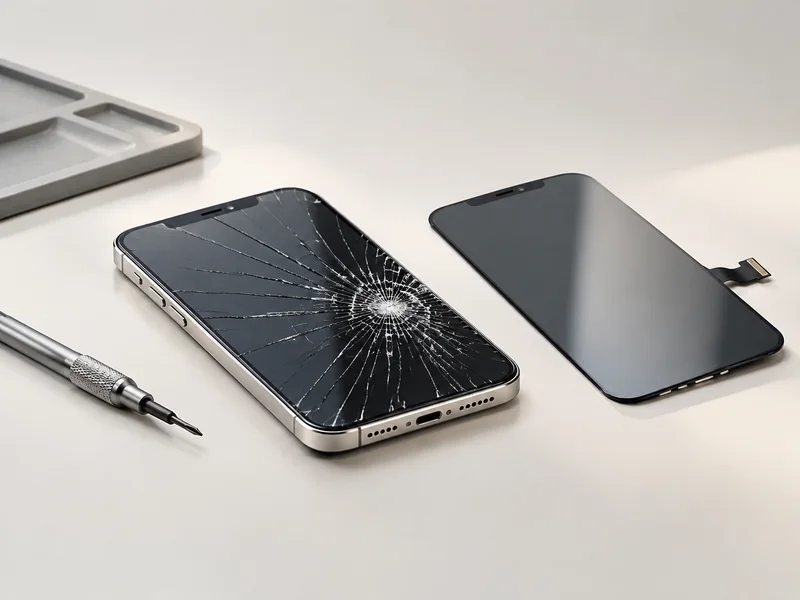
Cracked Glass Risks: Cracks can mask deeper damage like touch unresponsiveness or display defects—inspect each screen beyond the surface.
Aftermarket Alarm Bells: Poor-quality aftermarket parts often lack durability and precision; always test for performance before use.
Unknown Source Dangers: Distributors without verifiable credentials may sell counterfeits—research your supplier’s reputation first.
Spec Mismatch Clues: Screen specs that don’t align with OEM standards suggest knockoffs; double-check compatibility details.
Screen Type Confusion: Mixing up LCD and OLED types can degrade user experience through poor color quality or responsiveness.
Warranty Oversight Mistake: No warranty? That means no safety net when parts fail—only buy from sellers offering guarantees.
Condition Misjudgments: Not all refurbished screens are equal—Grade A refurbishments are safer bets than vague condition claims.
Price Too Good to Be True? Probably Is: Ultra-cheap screens often signal shoddy materials or fake components, especially for OLEDs.
Certification Confidence Check: Look for suppliers who provide testing documentation and certifications to verify screen reliability.
Return Policy Transparency Test: Clear return terms protect your investment if something goes wrong—avoid vague policies at all costs.
Five Major Red Flags When Buying Wholesale iPhone Screens
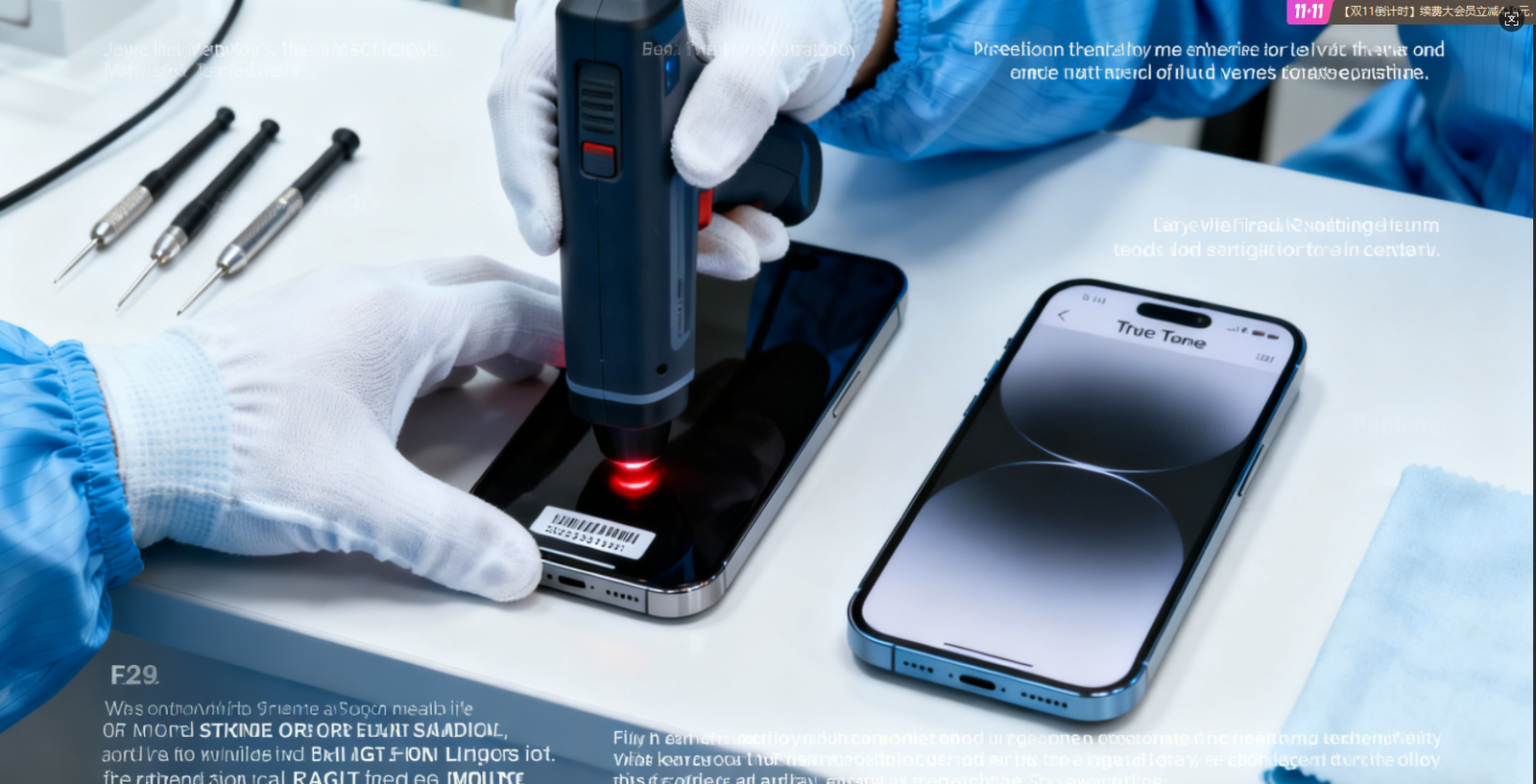
Keep your repair business out of trouble—watch out for these five warning signs when you’re deep into buying wholesale iPhone screens.
Cracked Glass: Hidden Issues in Wholesale iPhone Screens
• Cracks may seem cosmetic, but they often mask digitizer issues that kill touch accuracy.
• Damage to the inner digitizer layer can cause ghost touches or dead zones, even if the screen turns on fine.
• Microfractures weaken structural integrity, making the glass prone to shatter during installation.
Grouped with those concerns is the fact that some suppliers try to pass off cracked units as Grade B refurbished parts—don’t fall for it. Always inspect under polarized light and test both LCD and touch functionality before accepting a batch.
Unproven Quality: Red Flags for Aftermarket iPhone Screen Parts
Start with this:
- No clear warranty? That’s a red flag right there.
- If brightness or color temperature varies wildly from OEM standards, back away.
- Test every batch—even one bad batch can wreck your customer trust.
Now consider this:
– Some aftermarket panels skip proper lamination between glass and LCD, leading to separation after moderate use.
– Others may claim “OEM spec” but use third-rate polarizers or low-quality backlights.
So what should you do?
✓ Use colorimeters to test display calibration across batches.
✓ Check that all screens are compatible with Face ID and True Tone features—it’s not just about fit anymore.
And always source your parts through verified channels like screen-stocks, where quality control isn’t just a buzzword—it’s baked into every shipment.
Unverified Sources: Risks of Buying from Unknown Distributors
It might be tempting to grab a deal from an unknown seller offering bulk discounts on iPhone LCD screens—but here’s why that could blow up in your face.
Shady distributors often push counterfeit displays packaged as OEM or “Grade A” refurbishments, but lack basic quality certifications or traceability records. That means no recourse if something goes wrong—and no guarantee you’re getting real components at all.
According to IDC’s 2024 Q1 Mobile Component Integrity Report, over 37% of global screen returns stemmed from unauthorized supplier chains lacking verifiable sourcing documentation—costing small repair shops thousands in returns and lost labor hours.
Stick with suppliers who provide serialization data, offer return policies, and have visible service histories—not just someone sliding into your DMs with a price list.
Discrepancies in Screen Specifications: A Common Warning Sign
• Wrong resolution? That’s not just annoying—it’ll mess up scaling and UI rendering on newer devices.
• Off-size bezels signal poor refurbishing jobs; they won’t sit flush against housing frames during installs.
Grouped by category:
Display & Functionality:
– Incorrect refresh rates on some aftermarket iPhone OLED screens lead to flickering under low brightness settings.
– Incompatible digitizers can result in delayed gestures or missed inputs entirely.
Hardware Fitment:
– Misaligned brackets throw off proximity sensors.
– Thicker panels crack more easily during reassembly due to poor flex cable routing space.
Always cross-check specs line by line before placing orders—especially when buying wholesale iPhone screens at scale where minor mismatches multiply into major problems fast.
Common Pitfalls: Buying Wholesale iPhone Screens

Even the savviest repair shop owners mess up when buying wholesale iPhone screens. Here’s where most go wrong—and how you can avoid the same traps.
Ignoring Screen Type: Risks with LCD vs. OLED Display Assemblies
Mixing up OLED and LCD screens isn’t just a small mistake—it can wreck customer satisfaction and cost you big time.
- OLED screens offer deeper blacks, better brightness, and superior energy efficiency—great for newer models.
- LCD screens, while cheaper, tend to have duller colors and are less responsive.
- Using an LCD on a phone originally built for OLED may lead to poor touch sensitivity and washed-out visuals.
- Some suppliers don’t clearly label screen types—always double-check part numbers before ordering.
Choosing the wrong type affects not only display clarity but also battery life and resale value. Your best bet? Confirm screen compatibility with each model before committing to bulk orders.
Overlooking Warranty Options in Wholesale Deals
Not all deals are sweet—some sour fast without proper coverage. Skipping over warranty terms can leave you holding the bag if a shipment goes bad.
- Always ask about return periods—30 days is standard; anything less is risky.
- Check if dead-on-arrival units are covered or excluded from reimbursement.
- Confirm whether replacements or refunds are offered for faulty batches.
A lack of solid warranty and returns policy could mean hundreds of dollars lost on defective units that can’t be resold or repaired affordably.
Misjudging the Importance of Screen Condition
Refurbished doesn’t always mean reliable, and “like new” might not be what it sounds like.
• Some suppliers mix A-grade with B-grade stock without telling you upfront. That means inconsistent quality across your order.
• Minor scratches or uneven backlight bleed may seem small—but they’ll frustrate your customers fast.
• Inconsistent screen condition leads to more returns, more complaints, and fewer repeat buyers.
Always clarify grading criteria before purchase, especially when buying refurbished lots in bulk. Solid quality control on their end saves headaches on yours.
Underestimating Supplier Reliability When Buying at Scale
One-time deals might look shiny—but long-term supplier trust matters way more when you’re stocking up regularly for repairs or resale.
Short checks won’t cut it:
- Ask other businesses who’ve worked with them before
- Look into how long they’ve been supplying parts
- Request test samples from different batches
A flaky vendor can delay shipments, send mismatched screens, or disappear after payment clears. Stick with those who consistently meet expectations around supplier reliability, communication speed, and delivery timelines.
Failing to Account for Shipping & Handling Variables
Shipping’s not just about speed—it’s about safety too. Mishandled boxes = shattered profits.
Common oversights include:
• No bubble wrap between screen layers during transit
• Weak external packaging that collapses under weight during freight handling
• Tracking numbers that don’t update—or worse, never work
You need sellers who understand fragile goods require serious care during shipping—and who’ll take responsibility if things go sideways. The right approach here ensures fewer claims filed under your own business insurance related to damaged inventory during shipping and handling mishaps.
Obsessing Over Price While Ignoring Minimum Order Quantities
Chasing rock-bottom prices? Cool—until you realize there’s a catch: minimum order quantities that force you into overstocking products you can’t move quickly enough.
Here’s how this bites back:
1) You tie up capital in slow-moving inventory
2) Storage costs rise as unsold screens pile up
3) Older models lose market demand while sitting on your shelf
Always balance per-unit cost against how many units you’re required to buy—and whether your monthly sales volume supports it sustainably. Smart shops weigh both pricing and minimum order quantities, not just one side of the coin.
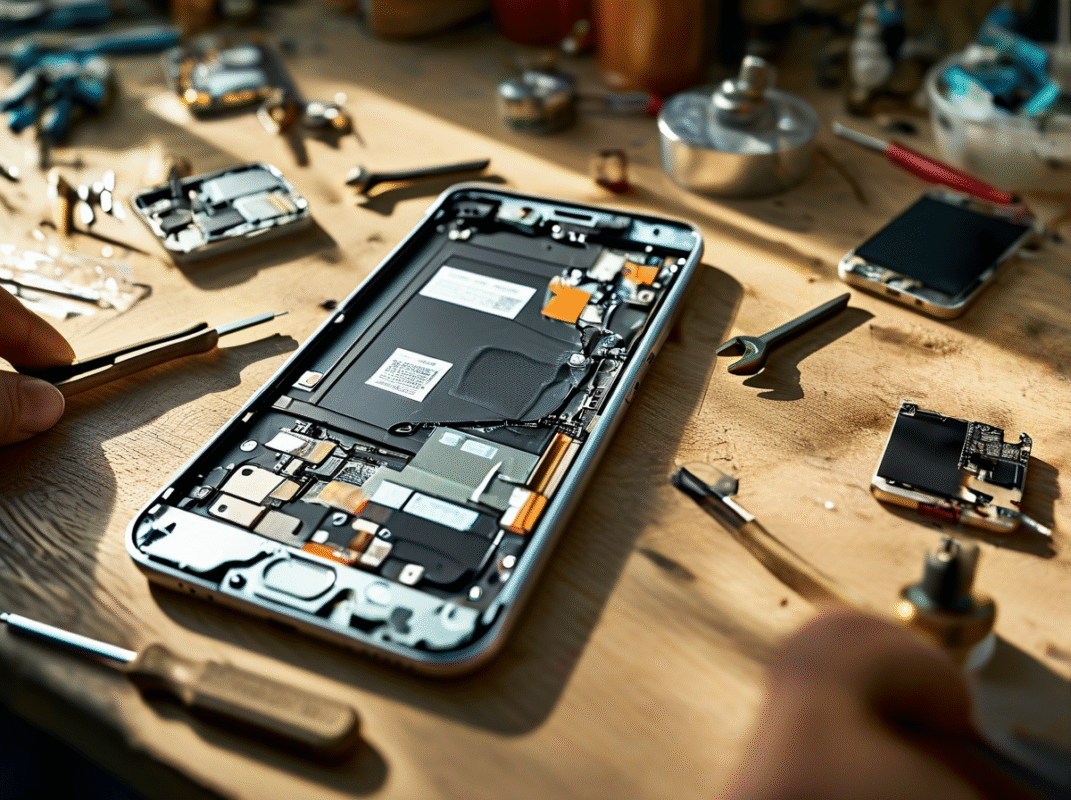
Skipping Proper Testing Procedures Before Resale or Installations
Even if your supplier swears by their testing standards—you’d be nuts not to run your own checks too after receiving inventory from any wholesale batch of iPhone displays.
Quick checklist:
✔ Test touch responsiveness across all corners of the screen
✔ Inspect color uniformity under bright light
✔ Verify front camera hole alignment matches OEM specs
✔ Run brightness tests at max/min settings
Don’t assume every screen is plug-and-play ready—even new ones need validation through internal testing procedures before they hit your customer’s hands or repair bench queue.
Disregarding Market Trends When Stocking Inventory
Stockpiling iPhone SE screens while everyone wants iPhone 13 parts? That’s money locked away collecting dust—not profit flowing into your bank account.
Stay sharp by watching:
• Repair request trends from local clients
• Social media chatter around popular models
• Annual Apple release cycles that shift demand overnight
Being tuned into evolving market trends helps you avoid buying obsolete stock—and keeps your shelves full of what actually sells today instead of last year’s leftovers tomorrow.
Key Indicators Of A Reliable Wholesale iPhone Screen Supplier

Knowing who to trust when you’re buying wholesale iPhone screens can make or break your business. Here’s what the real pros look out for.
Premium Grade iPhone Screens: What to Look For
• Brightness levels should hit at least 500 nits—anything less and you’re dealing with low-tier stock.
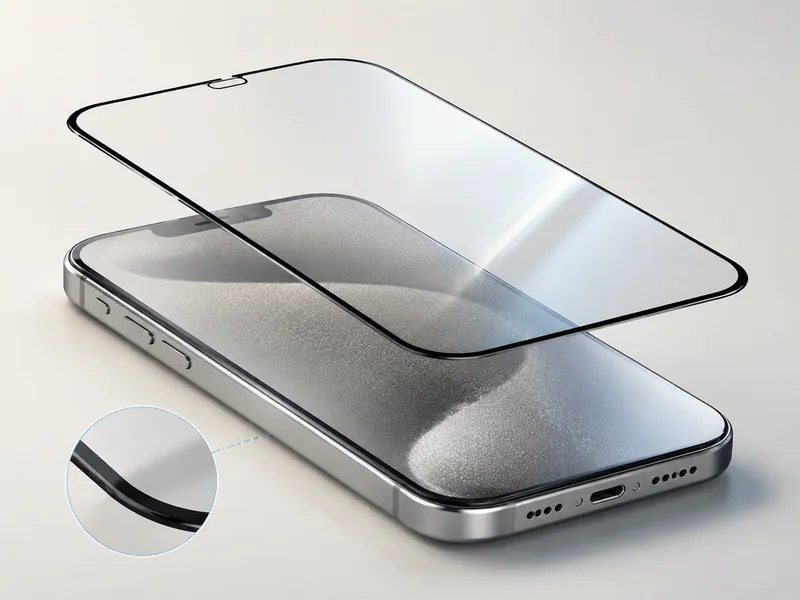
• Look out for full lamination, which improves touch response and clarity under sunlight.
• Glass hardness matters—go with screens rated at 9H or higher on the Mohs scale to ensure scratch-resistant performance.
When you’re buying wholesale iPhone screens, always ask about refresh rate and color calibration too—they often get overlooked but impact the user experience big time.
Certifications and Testing: Choose Suppliers with Standards
Reliable suppliers don’t just talk—they test. Here’s what separates tested from guesswork:
✔️ ISO 9001 certification is a green flag—it means quality management systems are in place.
✔️ RoHS compliance ensures that materials used in production are safe and environmentally responsible.
✔️ CE marking? That confirms conformity with EU health, safety, and environmental protection standards.
According to IDC’s Q1 2024 teardown report, over 68% of faulty aftermarket displays lacked any formal certification—a stat that should make you think twice before skipping the paperwork.
Established iPhone Screen Manufacturers vs. New Players
Old dogs may not know all the tricks—but they know how not to mess up your order:
• Long-standing manufacturers usually have better supplier reputation, consistent testing protocols, and refined logistics systems.
• New entrants might offer lower prices but often struggle with product availability, leading to delays or mismatched specs.
So while startups might tempt you during your search for cheap parts when buying wholesale iPhone screens, reliability still favors experience over novelty most of the time.
Customer Reviews: The Value of Feedback from Other Buyers
Customer feedback is gold dust—here’s how it helps you dodge duds:
– Patterns matter: If multiple buyers complain about poor packaging or dead pixels on arrival, take note.
– Watch timestamps: Recent reviews carry more weight than those from two years ago; supply chains evolve fast.
– Cross-check platforms: Compare reviews across forums like GSMHosting, Reddit threads, and B2B marketplaces like Alibaba or DHGate.
Also keep an eye on mentions of customer support—a supplier who ghosts after payment isn’t worth your money no matter how good their pricing sounds.
Transparent Return Policies: Ensuring Your Purchase is Safe
A solid return policy isn’t just a nice-to-have—it’s your safety net:
• Clear timelines—like a guaranteed 30-day window—make returns manageable even across international borders.
• Full refund vs credit-only? Always check this clause before hitting “buy.”
• Who pays shipping on returns? If it’s not mentioned upfront, assume it’ll be you footing that bill.
Suppliers serious about their business will have these terms clearly listed—and if they don’t? That says more than any review ever could about their return policy ethics when buying wholesale iPhone screens.
Beware Of Unusually Low Prices For Wholesale iPhone Screens

If a deal sounds too sweet, it probably is. Let’s unpack why dirt-cheap screen prices can cost you more than you think.
Understanding the Cost of High-Quality OLED Display Assemblies
• Premium OLED panels don’t come cheap—they’re packed with high-end tech that drives up costs.
• The difference lies in brightness, contrast ratios, and battery efficiency—cheap screens cut corners on all fronts.
• Manufacturing involves tight tolerances; low-cost versions often skip critical quality checks.
A good digitizer also plays a role here—skip that, and users get laggy touch response or ghost touches. If you’re buying wholesale iPhone screens, always ask if the panel is original OEM or third-party aftermarket. That alone changes everything.
Comparing Prices: Is Cheap Always Too Good to Be True?
- $5–$10 below market average? Could be refurbished with poor-quality glass.
- $15+ under? Likely counterfeit internals or recycled components passed off as new.
- Too-good-to-be-true bundles? Often missing warranty coverage or have hidden shipping issues.
According to IDC’s Q1 2024 mobile parts report, over 38% of extremely low-priced aftermarket parts failed within six months of installation—compared to just 7% for mid-tier suppliers.
Bottom line? When screen repair costs are slashed too far, someone’s cutting corners—and it might end up being your reputation on the chopping block.
The Fine Line Between Refurbished and Subpar Screens
Refurbished isn’t automatically bad—it depends on how it’s done:
- ✅ Professionally refurbished using OEM glass and digitizers = reliable performance
- ❌ Slapped together with mismatched LCDs and frames = trouble waiting to happen
- ✅ Backed by supplier testing + warranty = peace of mind
- ❌ No QC reports = risky business
Some wholesale suppliers blur this line intentionally, so always verify part origin and test results before placing large orders when buying wholesale iPhone screens.
Spotting Red Flags in Wholesale Pricing
Short bursts of insight:
• A price way below industry average? Ask what’s missing—warranty, support, packaging?
• No details on panel type (LCD vs OLED)—that’s a huge red flag right there.
• Vague product descriptions like “high copy” or “premium aftermarket”? Translation: not OEM quality.
If the supplier can’t explain why their cost is lower than others’, it probably means they’re hiding something about the iphone screen quality they’re selling.
How Low-Cost Screens Affect Repair Outcomes
Let’s walk through what happens when you install a poor-quality display:
Step 1: You buy cheap thinking you’ll increase margins on repairs.
Step 2: Customer returns within days complaining about weak touch response or color distortion due to faulty digitizer alignment or backlight bleeding from low-grade panels.
Step 3: You replace it out-of-pocket—or worse, lose that customer forever due to bad word-of-mouth.
So while cheap may boost short-term profit per unit when you’re buying wholesale iPhone screens, long-term damage can hit your business hard if those units fail early.
Warranty Considerations When Buying Cheap Screens
Grouped into two camps:
🟢 Reputable Suppliers:
- Offer at least a 90-day warranty
- Provide return policies for defective units
- Include batch testing documentation
🔴 Shady Sellers:
- “All sales final” fine print buried deep
- Zero post-sale support
- Blame installers for factory defects
It’s worth asking before any bulk order—what happens if I get a batch full of dead pixels or warped frames? A real partner will cover that; fly-by-night sellers won’t even answer your email after payday.
Why Some Suppliers Can Afford Rock-Bottom Prices
Here’s where things get tricky:
• They might source from liquidation lots filled with rejected panels from other factories.
• Some mix original parts with knockoff components—OEM frame but third-rate screen inside.
• Others use cloned IC chips that mimic Apple protocols but degrade fast under heat cycles common in daily use.
This is why sourcing matters more than ever when you’re regularly buying wholesale iPhone screens—don’t just look at price tags; dig into where those parts come from and how they’re made.
Screen-Stocks once traced an ultra-low-priced batch back to a facility reusing cracked frames bonded with glue instead of laser-sealing—a shortcut that led to over 60% return rates within three weeks across multiple repair shops nationwide.
Final Thoughts: Pay Now or Pay Later?
Cheap screens aren’t just about saving money—they’re often about gambling with trust:
– Trust between you and your customers who expect solid repairs
– Trust between you and your technicians who need consistent parts quality
– And trust in your own brand staying above shady shortcuts
So next time you’re tempted by an unbelievably low quote while buying wholesale iPhone screens, remember—it might just be unbelievable for a reason.
How To Verify Authenticity Of Wholesale iPhone Screens

Buying wholesale iPhone screens? Don’t get duped—here’s how to spot the real deal from the fakes.
Checking for OEM Equivalent Display Components
- Match screen dimensions and connector layout with Apple’s original specs.
- Ensure lcd or oled panels reflect factory-level brightness, color accuracy, and pixel density.
- Check display flex cable codes against known OEM patterns.
A good rule of thumb when you’re buying wholesale iPhone screens is this: if it looks off, feels off, or acts off—it probably is. OEM-equivalent means more than just “fits”; it must perform like the original too.
Importance of Scrutinizing Screen Quality Certifications
You want your replacement displays to last? Then certifications aren’t optional—they’re critical. Look for:
• ISO-certified manufacturing standards.
• RoHS compliance for material safety.
• CE marking for European quality assurance.
Certified screens have been tested for things like touch responsiveness, drop resilience, and electrical stability—so they don’t just work out of the box, they keep working long after installation.
Confirming Sources: Legitimacy of Screen Component Importers
When buying wholesale iPhone screens, shady suppliers will cost you more than money—they’ll wreck your rep. Here’s what smart buyers double-check:
- Business registration status and import licenses.
- Supplier reviews across forums and B2B platforms.
- Customs records or shipping manifests that prove origin.
- Warranty policies that actually hold up in practice.
If your importer can’t tell you where a screen was made—or worse, lies about it—you’re risking counterfeit components with poor screen quality and zero backup if things go south.
Identifying True Tone Display Screen Assemblies: Authenticity Markers
True Tone isn’t just a fancy feature—it’s a dead giveaway for authenticity when you’re buying wholesale iPhone screens.
Look out for these traits:
- The presence of a valid serialized EEPROM chip embedded on the flex cable.
- Automatic brightness adjustment that adapts to ambient light without lag.
- Full functionality restored only when the screen is paired correctly using Apple calibration tools.
Even high-end knockoffs often miss this level of integration, so checking for True Tone support is one slick way to weed out impostors fast.
Each time you inspect a batch, make sure those serial numbers match up with expected ranges—and always test under different lighting conditions to confirm adaptive behavior works like it should.
FAQs about Buying Wholesale iPhone Screens
What are the biggest risks when buying wholesale iPhone screens from unknown suppliers?
It’s not just about getting a bad deal—it’s about what happens after. You might receive a shipment that looks fine on the surface, but inside those boxes could be:
- Counterfeit displays pretending to be OEM quality but failing under pressure.
- Screen assemblies with dead pixels or touch lag right out of the package.
- No warranty, no returns—just silence when things go wrong.
When trust is missing at this scale, every screen becomes a gamble.
How can I tell if an OLED display assembly is truly premium grade?
Premium OLEDs don’t just look good—they feel alive in your hand. Look for:
- Brightness that holds up even in direct sunlight.
- A smooth glass finish with oleophobic coating—you’ll notice it instantly.
- Pressure-sensitive 3D Touch functionality working exactly as expected.
If any of these elements fall short, you’re not looking at top-tier parts.
Does buying refurbished displays mean compromising on quality?
Not always—and sometimes it’s actually smarter than going new. Refurbished Grade A screens pulled from functioning phones often outperform cheap “new” copies flooding the market. When handled by skilled technicians and tested properly, these units offer solid performance without draining your budget—or your reputation with customers.
Are low prices always suspicious when buying wholesale phone screens?
A price too good to believe usually means there’s something hiding behind it: fake components disguised as high-end inventory or digitizers lacking True Tone support and proper calibration. If one supplier quotes half what everyone else does… ask why before you sign anything.
What makes a supplier trustworthy for large-scale orders of iPhone screens?
Trust isn’t built overnight—it shows up in small details across big shipments:
- Certifications proving each batch was tested thoroughly.
- Consistent packaging and labeling—not random bubble wrap chaos.
- Clear return policies that don’t vanish once payment clears.
- Long-term relationships with known repair shops who vouch for them openly.
In bulk operations, reliability isn’t optional—it’s survival.







Recent Comments