

The phone repair biz isn’t for the faint of heart—ask anyone who’s wrestled a cracked screen off a stubborn iPhone at 2 a.m. Sourcing parts? That’s a whole different rodeo. If you’ve been bleeding cash on overpriced displays or scrambling to find the right fit for last year’s Galaxy model, you’re not alone. That’s where mobile phone LCD wholesale steps in like your parts-slinging sidekick, slashing unit costs and stocking your shelves with everything from crisp 6.5-inch AMOLEDs to classic 5.8-inch LCDs.
In a market where repair margins are thinner than a screen protector, speed and variety aren’t perks—they’re survival tools. Bulk buying isn’t just smart—it’s essential. “The global refurbished smartphone market grew 15% in 2023,” notes Counterpoint Research. Meaning? Demand’s rising, and the pros are prepping their inventory for the long game.
Key Points in the Pulse of Mobile Phone LCD Wholesale
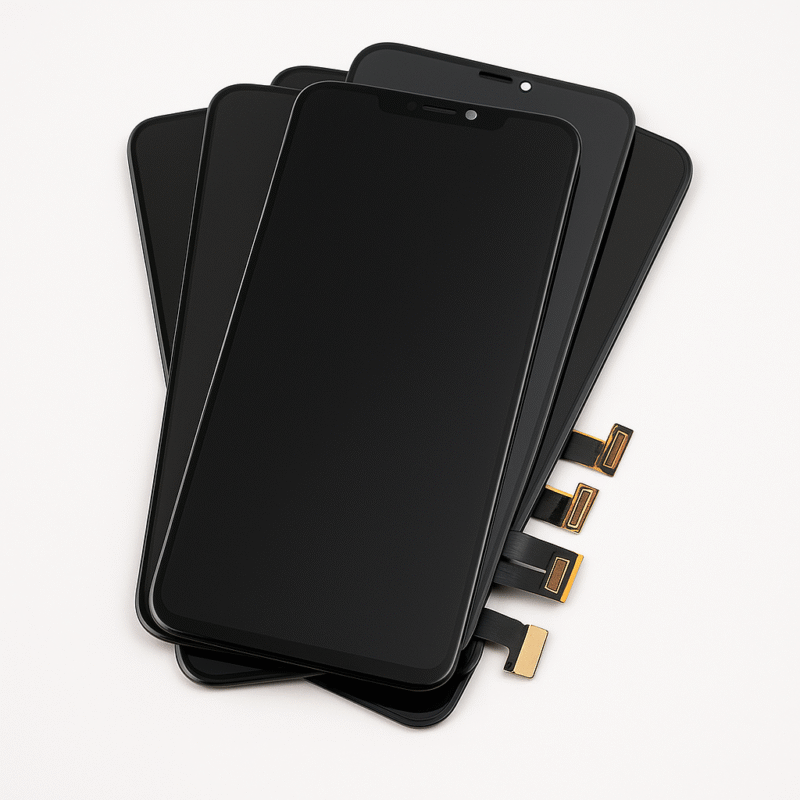
- Bulk Buys Slash Repair Costs: Purchasing Grade A+ LCD screens in wholesale significantly reduces unit prices, helping repair shops protect their profit margins.
- Diverse Display Inventory Wins: Wholesalers offer a wide range of screen types and sizes—from 5.8 inch LCDs to vibrant 6.5 inch AMOLEDs—ensuring you’re ready for any model that walks through your door.
- Speed is Your Secret Weapon: Partnering with cell phone screen wholesalers accelerates delivery times, keeping your repair flow smooth and reducing customer wait times.
- 5G Phones Need Better Screens: With 5G rolling out globally, demand grows for high-res panels like 1080×2400 pixel screens and wide color gamut AMOLED displays capable of handling rich streaming content.
- Know Your Supplier Type: From mobile phone parts distributors to display assembly suppliers, understanding supplier classifications helps streamline sourcing strategies and improve part compatibility across models.
- Adapt to the Market Shift: As refurbished smartphone sales grow year over year, stocking quality OEM and aftermarket panels through mobile phone LCD wholesale channels keeps you competitive in a fast-evolving market landscape.
How 5G Adoption Fuels Mobile LCD Wholesale Market Growth
As global carriers push 5G forward, screen tech is riding shotgun—bigger, sharper, and more vivid than ever.
Why 6.7 inch displays power 5G smartphone experiences
- Immersive media consumption: With 6.7 inch displays, users can stream full-screen videos, game with clarity, and multitask like pros—perfect for high-speed 5G.
- Enhanced productivity: Bigger screens turn phones into mini workstations. You can juggle apps or edit docs with fewer taps and less squinting.
- More room for innovation: A larger display gives manufacturers space to integrate under-display sensors, dual panels, or foldable hinges.
- Better battery distribution: Large phones accommodate bigger batteries to support power-hungry features like ultra-fast connections and high refresh rates.
- For mobile phone makers diving into the next-gen market, these larger screens aren’t just a trend—they’re the new standard.
How 1080×2400 pixel screens enhance 5G video streaming
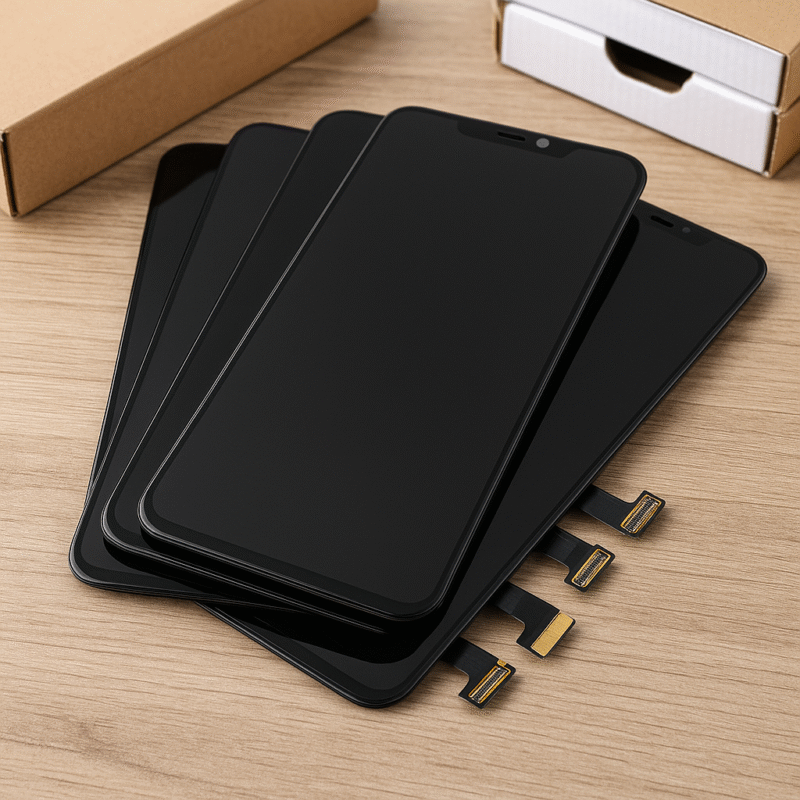
• The sharpness of a 1080×2400 pixel screen makes binge-watching on-the-go feel like you’re carrying a cinema in your pocket.
• That higher resolution works hand-in-hand with fast data speeds from 5G, letting you stream HDR content without lag or buffering.
1) It reduces compression artifacts that often plague lower-res displays when streaming at high bitrates.
2) It supports adaptive refresh rates that sync beautifully with variable network conditions—no tearing or ghosting.
– Less strain on your eyes during long sessions thanks to pixel density improvements over older HD+ standards.
“According to Counterpoint Research’s Q1 2024 report, smartphones featuring FHD+ resolutions now account for over 72% of all mid-range devices sold globally.” That stat tells you everything about where the demand’s headed—and why screen quality matters more than ever in mobile phone LCD wholesale trends.
Wide color gamut AMOLED vs. TFT LCD panels in 5G devices
• AMOLED’s wide color gamut delivers richer reds and deeper blacks—ideal for visually demanding apps like AR navigation or immersive gaming over fast networks.
• In contrast, basic TFT LCD panels, while cost-effective, fall short in brightness control and contrast ratio under direct light.
Grouped comparison:
| Feature | AMOLED Panels | TFT LCD Panels |
|---|---|---|
| Contrast Ratio | High (Infinite) | Moderate |
| Power Efficiency | Better for dark modes | Constant backlight usage |
| Color Reproduction | Vivid & accurate | Washed-out tones |
| Viewing Angles | Excellent | Limited |
When it comes to building standout devices for a saturated market chasing speed and beauty, AMOLED is becoming less luxury and more necessity.
5G rollout scenarios: partnering with mobile phone parts distributors
✓ When carriers ramp up their towers and manufacturers race to release compatible models, having reliable partners becomes mission-critical.
✓ Strategic alliances with trusted players in the supply chain ensure timely access to essential components—from antennas to full-screen assemblies—to keep production humming even when demand spikes overnight.
✓ Brands like “screen stocks” step in here by offering flexible procurement options across regions—cutting lead times while maintaining quality control on every batch of display modules shipped out.
✓ For anyone navigating the world of mobile phone parts distribution during this shift toward ultra-connectivity, agility isn’t optional—it’s survival fuel.
From sourcing premium-grade display units to managing logistics across borders, partnerships are what transform potential chaos into smooth scale-ups as the era of real-time everything takes hold through next-gen networks.
Three Benefits Of Mobile Phone LCD Wholesale Purchasing
Buying mobile phone screens wholesale can seriously level up your repair or resale game. Here’s how smart sourcing makes a real difference.
Lower unit costs through Grade A+ LCD screen bulk buys
Snagging Grade A+ displays through bulk orders is like buying snacks at Costco—cheaper per piece and just as satisfying for your margins.
- Lower overhead: Buying more means paying less per LCD screen, plain and simple.
- Higher resale value: Premium quality like Grade A+ lets you charge more without complaints.
- Inventory confidence: With consistent quality, fewer returns or complaints from customers.
- Operational savings: Less time wasted on faulty screens or mismatched batches.
Whether you’re outfitting a repair shop or flipping phones, this kind of purchasing keeps your bottom line happy.
Access diverse 6.5 inch AMOLED and 5.8 inch LCD panels
Not all phones wear the same size shoes—and neither should your inventory.
- Stocking both 6.5 inch AMOLED and compact 5.8 inch LCD options means you’re ready for anything from budget Androids to flagship devices.
- Customers love choice—especially when it fits their exact model without waiting weeks for parts to ship overseas.
- Having access to multiple panel types via wholesale channels helps small retailers punch above their weight class.
With variety on tap, you’ll never have to say “Sorry, we don’t carry that.”
Faster order fulfillment with cell phone screen wholesalers
Speed kills downtime—and downtime kills business.
• Wholesalers keep large inventories of common models like Samsung and iPhone screens—no more backorders dragging you down.
• Fast shipping options mean you can restock before your last screen even gets installed.
• Partnering with reliable suppliers cuts out middlemen who slow things down or jack up prices.
By working directly with trusted cell phone screen wholesalers, you’re not just saving money—you’re also saving time, which might matter even more when customers are waiting on repairs.
Better planning with predictable pricing trends
A consistent supply chain lets businesses plan ahead instead of reacting last-minute to price spikes or shortages—especially true when dealing with high-demand parts like the latest OLEDs or classic LCDs.
Short-term fluctuations? Doesn’t matter as much when you’ve locked into wholesale rates on popular sizes like the durable 5.8 inch LCD panels used across mid-range smartphones, or larger premium displays such as the vibrant 6.5 inch AMOLED units found in flagship models.
Knowing what’s coming helps avoid panic-buying at premium prices during crunch time—and that’s priceless peace of mind for any tech retailer trying to stay competitive without blowing their budget every quarter.
Inventory flexibility boosts customer satisfaction
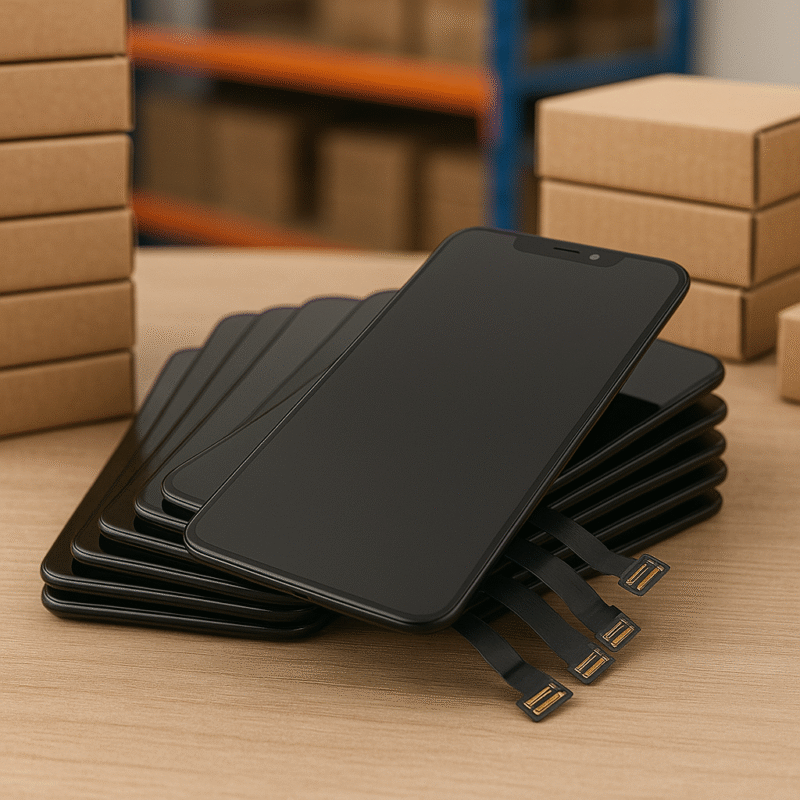
Quick swaps between different display types—from basic TFTs to rich-color OLEDs—is easier when you’re stocked through a solid wholesaler network:
- For budget-conscious buyers: Keep affordable yet reliable models like older-gen LCD screens
- For high-end users: Offer crisp visuals via bulk-purchased AMOLED panels
- For everyday walk-ins: Always have that sweet spot—the dependable mid-tier options
That kind of range turns casual shoppers into repeat customers because they know you’ve got exactly what they need, every time they walk through the door—or DM you online asking if you’ve got something “like that Galaxy S20 screen but cheaper.”
Logistics made leaner with consolidated sourcing
Let’s break it down step-by-step:
Step 1: Choose verified suppliers offering consistent stock levels across major brands and sizes—from compact iPhones to big-screen Androids using either an affordable LCD panel or flashy AMOLED tech.
Step 2: Order strategically based on sales trends—don’t overstock low-movers; double up on hot sellers instead.
Step 3: Use consolidated shipping methods offered by most top-tier wholesalers so everything arrives together—less hassle, fewer customs issues, faster turnaround times for repairs or resales alike.
Streamlining logistics this way removes surprises from your workflow—and surprise-free days are good days when running retail ops in tech repair spaces!
Cost comparison reveals real savings potential
Here’s how buying direct from mobile display wholesalers stacks up against piecemeal ordering:
| Purchase Type | Avg Unit Cost ($) | Delivery Time | Return Rate (%) |
|---|---|---|---|
| Retail single units | $28 | ~7 days | ~12% |
| Mid-size bulk orders | $21 | ~4 days | ~6% |
| Large wholesale lots | $16 | ~2 days | <4% |
This data shows how large-scale purchasing not only trims costs but improves reliability too—with lower return rates thanks to better quality control at scale across both standard-sized LCDs and newer AMOLED variants often seen in modern smartphones.
These numbers speak volumes about why smart shops go straight to wholesale instead of playing the retail guessing game each week!
Consistency builds brand trust over time
Every time someone walks away from your store happy because their phone looks brand new again? That’s branding gold—and consistency is key here:
• Using only top-tier displays like certified Grade A+ LCD screens ensures every job meets expectations
• Working with vetted wholesalers minimizes defective batches that could ruin reputations overnight
• Offering predictable turnaround times thanks to fast fulfillment boosts word-of-mouth referrals organically
In short, having dependable sources for mobile display parts doesn’t just help operations—it builds trust long-term by delivering results people remember…and recommend!
Key Classifications Of Phone LCD Wholesale Suppliers
Knowing where your parts come from isn’t just smart—it’s survival. Here’s a quick breakdown of the major supplier types you’ll run into when sourcing mobile screens and parts.
Mobile phone parts distributors
- Distributors that deal in bulk often carry everything from repair parts to tiny internal connectors.
- Some specialize in niche models, while others stock a buffet of mobile phone parts, making them ideal for general repair shops.
- You’ll usually find:
- Mid-tier pricing
- High availability
- Flexible MOQs
These players are the backbone of the supply chain, especially for shops that need more than just screens. They’re like your neighborhood hardware store—reliable, stocked, and always open to haggle.
LCD screen wholesale vendors
“By Q2 2024, global demand for mid-range smartphone displays rose by 18%, driven largely by refurbished markets,” according to IDC Research.
- These guys focus purely on volume—lots and lots of LCD screens.
- Expect:
- Competitive pricing tiers based on quantity
- Frequent model updates as new phones release
- Specialization in high-turnover models like Samsung A-series or iPhone SE units
If you’re chasing margins and moving units fast, these wholesale vendors are your bread and butter in the mobile display game.
Display assembly suppliers
| Supplier Type | Min Order Qty | Avg Delivery Time (days) | OEM Compatibility |
|---|---|---|---|
| Regional Supplier | 50 pcs | 5–7 | Medium |
| National Chain | 100 pcs | 3–5 | High |
| Overseas OEM | 200 pcs | 8–12 | Very High |
These suppliers offer full display assemblies, including the digitizers, frames, and sometimes even pre-installed flex cables. That means less time fiddling with micro tools—and fewer returns due to installation errors. For repair shops juggling speed with volume? Game changer.
Cell phone screen wholesalers
• Bulk is the name of the game here. These wholesalers cater mostly to resellers, online retailers, and independent service hubs.
• Expect three main things:
- Lower cost per unit at higher quantities
- Access to accessories like screen protectors
- Consistent inventory across popular brands
They don’t usually carry obscure models or rare colors—but if you’re flipping phones or running a storefront that thrives on walk-ins needing common repairs? These folks keep your shelves full without breaking your wallet.
FAQs about Mobile Phone LCD Wholesale
Why do buyers prefer Grade A+ LCD screens in wholesale deals?
Because every pixel counts. Grade A+ screens offer crisp visuals and consistent performance, which means fewer customer complaints and reduced returns. For businesses, that translates into smoother operations and happier clients. It’s not just about quality—it’s about trust in every shipment.
What’s the real difference between AMOLED and TFT LCD panels?
- AMOLED: Richer colors, deeper blacks, and a more vibrant experience—perfect for premium devices where display matters most.
- TFT LCD: More affordable, reliable for basic models, and still gets the job done for users who just need the essentials.
Choosing between them isn’t just technical—it’s about matching the right screen to the right audience.
How do screen sizes influence wholesale demand?
The market speaks through its preferences:
- 6.7-inch screens dominate for immersive viewing on flagship phones.
- 6.5-inch AMOLEDs strike a balance between cost and quality.
- 5.8-inch LCDs cater to compact device lovers.
- 7.0-inch panels? Those are for the bold—phablets and niche devices that push boundaries.
Each size tells a story about the user it’s meant for.
How do mobile phone parts distributors keep 5G production on track?
It’s all about timing. Distributors who understand urgency help brands avoid costly delays by supplying critical parts like OLED screens and flex cables when they’re needed most. Their role is less about stock and more about momentum—keeping the 5G rollout moving forward, one component at a time.




Recent Comments