

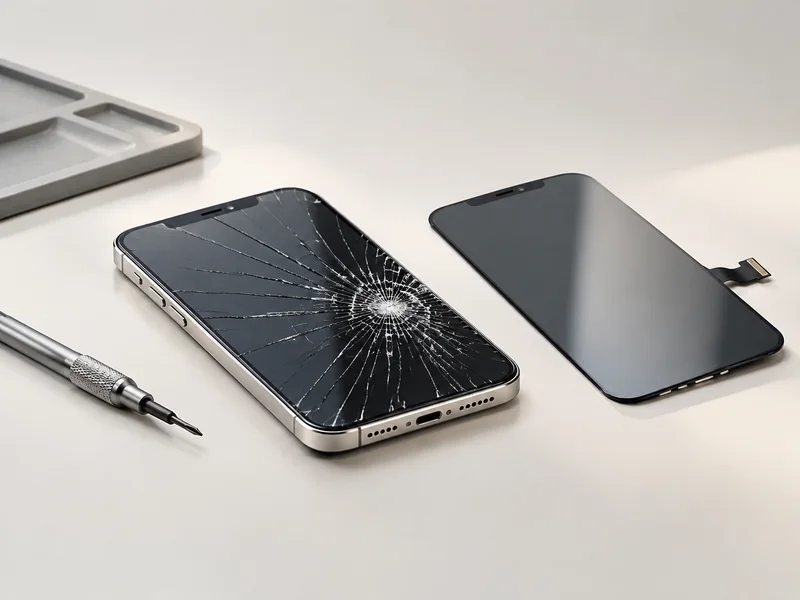
It’s no secret—smartphones break. Screens shatter like grandma’s fine china at a toddler’s birthday party. And for folks in the phone repair or resale biz, that means one thing: you need a lot of glass, and fast! That’s where bulk Samsung phone screens come into play—because saving cash per unit while stacking up Grade-A quality? Now that hits the sweet spot between smart and savvy.
Thing is, not all screens are created equal. Some flicker like haunted house lights, others just plain don’t fit right. But when you’re dealing with high-end AMOLED panels straight from the source? You’re skipping the drama and serving your customers right—every single time.

Key Points in the Price-Smart World of Bulk Samsung Phone Screens
- Bulk Buys Slash Unit Costs: Ordering bulk Samsung phone screens can significantly reduce per-unit pricing, making it ideal for phone manufacturers and repair shops.
- Premium AMOLED Panels Mean Fewer Returns: With Grade A 6.8-inch Dynamic AMOLED displays, you get reliable performance that reduces warranty claims and boosts customer trust.
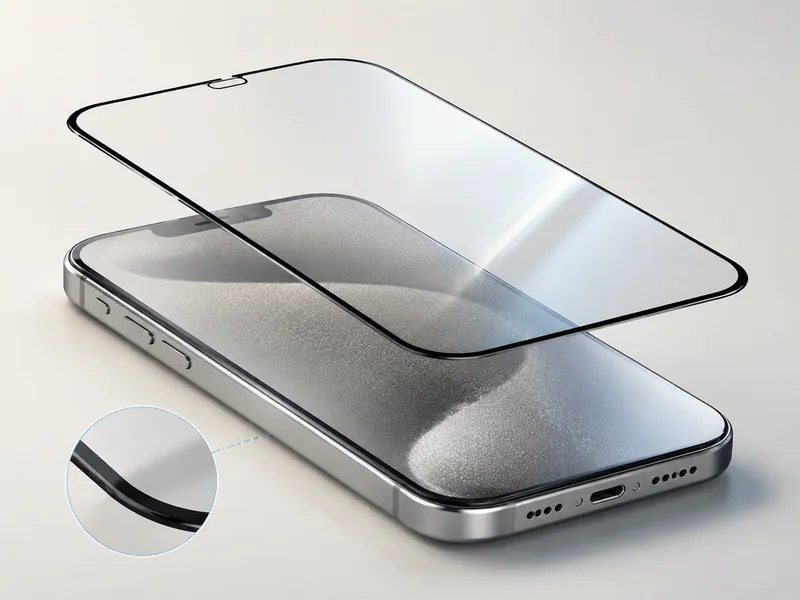
- Durability That Pays Off: Gorilla Glass protection ensures screens withstand daily wear and tear, lowering long-term repair and replacement costs.
- Visual Excellence Comes Standard: Dynamic AMOLED 2X and QHD+ 3200 × 1440 resolution offer stunning visuals that elevate user experience with every touch.
- Size and Tech Variety for Every Need: From 6.4-inch OLEDs to 6.9-inch curved edge panels, bulk Samsung phone screens cater to diverse device designs and preferences.
- Easy Installation with Modern Connectors: Features like Embedded DisplayPort simplify screen integration, cutting down technician time and error margins.
- Original vs. Third-Party? No Contest: Samsung-manufactured screens offer superior quality, consistency, and longevity compared to third-party alternatives.
Can Bulk Samsung Phone Screens Cut Your Costs?
Looking to cut overheads without cutting corners? Smart sourcing on screen components might just do the trick.
Bulk Screens for Phone Manufacturers Slash Per-Unit Prices
- Bulk Screens from major suppliers like Samsung give phone makers a serious leg up on pricing.
- When you multiply savings across thousands of units, even a few cents off each screen means real cash back in your pocket.
- Buying direct at wholesale rates lets smaller brands compete with the big guys without breaking the bank.
🔹 It’s not just about volume—it’s about timing, too. Locking in early contracts can secure better rates before demand spikes.
Long story short? You’re not just buying parts—you’re buying into economies of scale, and that makes your whole operation leaner.
Grade A 6.8-inch Dynamic AMOLED Panels Cut Warranty Claims
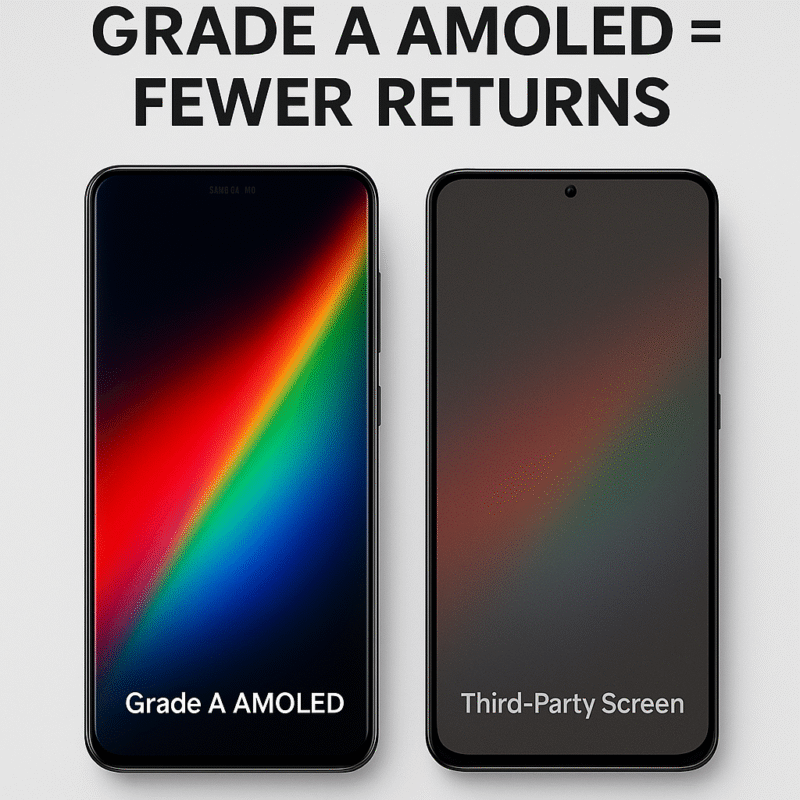
You know those customer support nightmares where screens glitch or die early? That’s what you dodge with top-tier displays.
• These Grade A panels are built to last, with fewer factory defects and less chance of pixel failures down the line.
• The 6.8-inch size hits a sweet spot for flagship phones—big enough to impress, small enough to stay efficient.
• Using high-end Dynamic AMOLED Panels means richer color contrast and lower power draw, which customers love—and so do your warranty departments.
📊 Check out how defect rates stack up:
| Panel Type | Defect Rate (%) | Avg Return Cost ($) | Warranty Trigger (%) |
|---|---|---|---|
| Generic OLED | 4.5 | 27 | 3 |
| Mid-grade AMOLED | 2.9 | 19 | 2 |
| Grade A AMOLED | 1.2 | 11 | 0.7 |
Quality screens don’t just look better—they save you money where it hurts most: after the sale.
Gorilla Glass-Protected Displays Reduce Long-Term Repair Costs
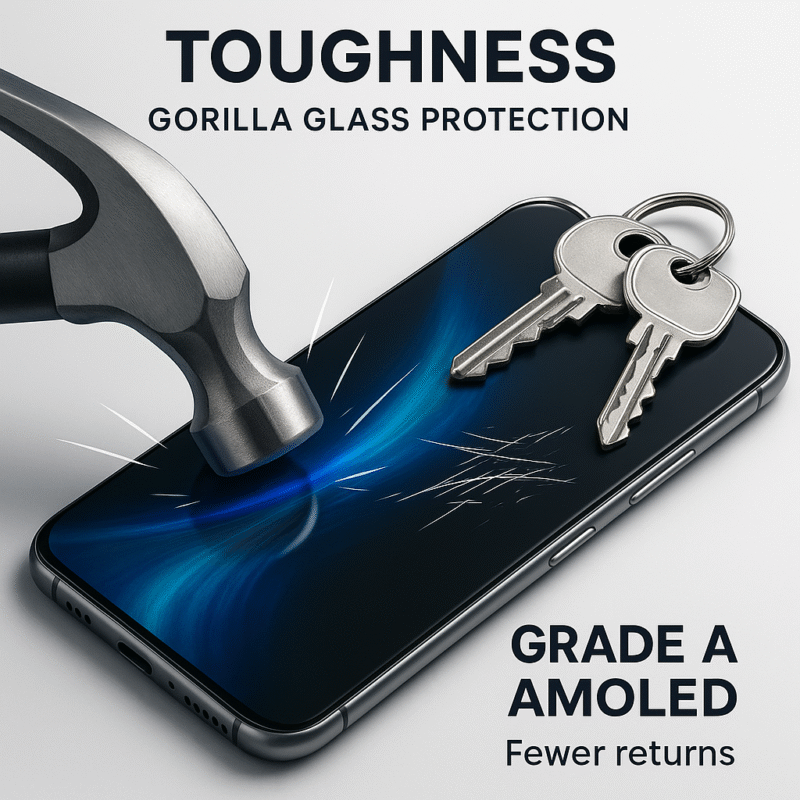
• Scratches suck—especially when they lead to full-blown cracks later on. That’s where hardened glass earns its keep.
• Toughened with layers of chemically treated material, these Gorilla Glass-Protected Displays shrug off daily abuse like champs.
• Less damage = fewer repairs = happier users = less churn = more profit.
Let’s break it down quick:
1️⃣ Less screen breakage leads to fewer service calls
2️⃣ Fewer repairs lead to lower staffing or outsourcing costs
3️⃣ Lower long-term repair costs boost margins over time
And if you’re using premium materials anyway, why not go all in? With partners like screen-stocks backing you up with legit inventory pipelines and fast delivery, even mid-sized brands can roll out flagships that feel bulletproof—without blowing the budget on replacements later down the road.
Bottom line: better protection now saves headaches (and dollars) later.
Five Reasons To Buy Bulk Samsung Phone Screens
Choosing the right display components in bulk? These five reasons might just make your decision a whole lot easier.
Dynamic AMOLED 2X Technology for Superior Visuals
When it comes to screen quality, Dynamic AMOLED 2X doesn’t play around. It’s got punchy contrast, deep blacks, and colors that look like they’ve been pulled straight from a colorist’s dream.
- You’ll notice immediately how superior visuals pop thanks to HDR10+ support.
- The screen technology reduces blue light without sacrificing brightness—your eyes will thank you during those long scroll sessions.
- Compared to older OLED tech, this one delivers more clarity in motion-heavy content like gaming or fast-paced videos.
And if you’re sourcing these displays for repair shops or refurb units, customers will spot the difference instantly—no ghosting, no washed-out tones. Just rich, immersive viewing on every swipe.
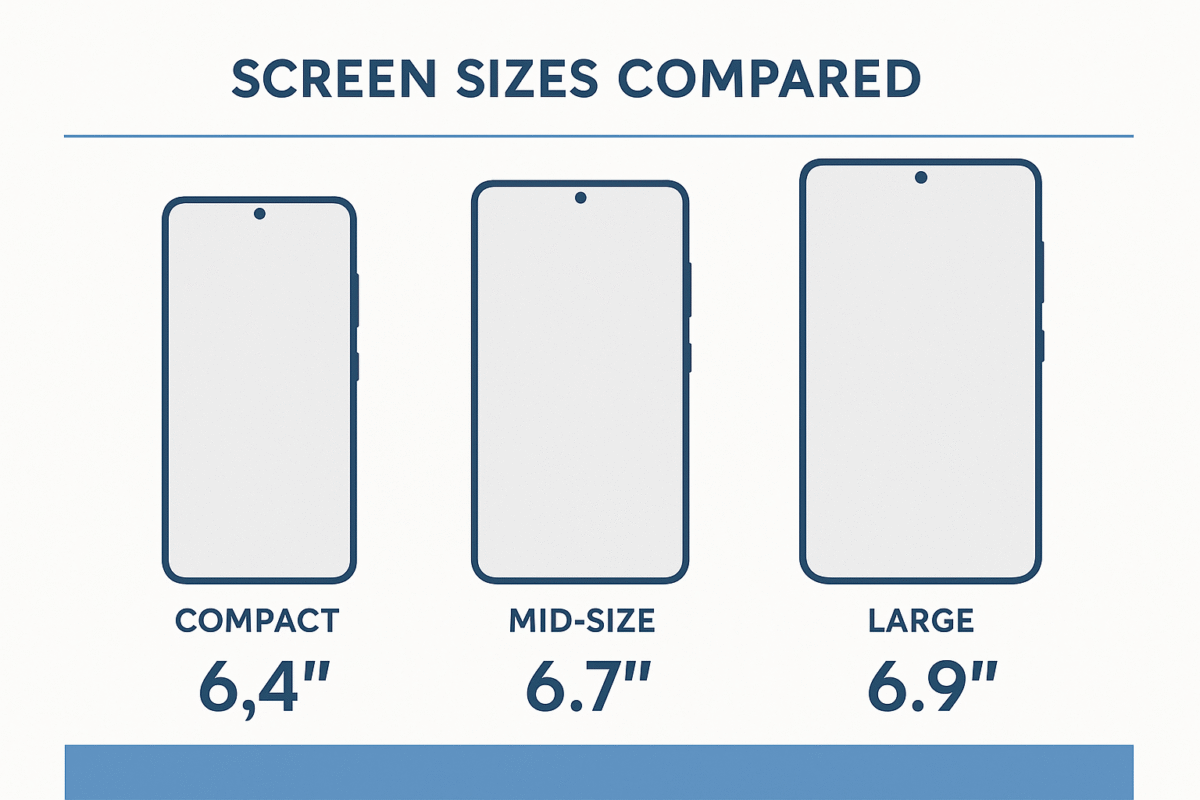
Wide Screen Options from 6.4-inch to 6.9-inch Panels
Stocking up on displays? Size flexibility is key—and this range has it all:
Compact Yet Impactful (6.4″–6.5″)
- Perfect fit for everyday users who prefer one-handed use
- Ideal replacements for mid-range models
Balanced Mid-Sizers (6.6″–6.7″)
- Sweet spot between usability and cinematic experience
- Compatible with most flagship-level builds
Big & Bold Displays (6.8″–6.9″)
- Tailored for power users and media lovers
- Great fit for premium repairs or custom projects
With choices across this spectrum of display size, you’re not locking yourself into one niche—you’re covering nearly every major Samsung phone category out there.
QHD+ 3200 × 1440 Resolution for Pin-Sharp Imagery
When pixel density hits its peak, everything changes—from the tiniest icon detail to full-screen HD video clarity.
| Display Type | Resolution | Pixel Density (ppi) | Color Depth |
|---|---|---|---|
| QHD+ | 3200 × 1440 | ~515 | True RGB |
| FHD+ | 2400 × 1080 | ~396 | RGBW |
| HD | 1600 × 720 | ~270 | RGBW |
Here’s why that matters:
- Crisp text with no jagged edges—even when zoomed in.
- Superior image quality that makes photo editing or gaming feel next level.
- The higher resolution allows developers and refurbishers more freedom with UI scaling across devices.
If you’re buying screens in volume, going high-res means fewer customer complaints and better resale value—straight facts.
Embedded DisplayPort Connectivity Simplifies Installation
Nobody wants a wiring mess when replacing a screen—that’s where Embedded DisplayPort connectivity shines.
✔️ Streamlined design: No clunky cables running all over the place inside your device build or repair station
✔️ Faster data rates: Expect smoother refresh rates and reduced latency thanks to native support within the panel interface
✔️ Plug-and-play vibe: These panels are practically made for efficient swaps; just align and lock
This kind of setup doesn’t just save time—it reduces error margins too, especially when handling multiple units at once in a bulk setting.
Grade A Quality Panels with High Brightness Mode Support
To get consistent performance across batches, you need more than just good specs—you need tested excellence.
Step One: Choose only verified Grade A quality panels, which are free from dead pixels and discoloration issues right out of the box.
Step Two: Look specifically for panels supporting High Brightness Mode, often exceeding nits ratings above standard levels—meaning better visibility outdoors or under harsh lighting conditions.
Step Three: Combine both features during procurement so your inventory maintains reliability at scale—especially important when reselling parts or building devices meant to last longer than a few months post-repair.
This combo ensures every unit you ship out looks clean, works well under pressure, and feels premium—even if it’s part of a large batch order of Samsung screen parts.
Samsung Vs. Third-Party Phone Screens Quality
Quick look at how original Samsung displays stack up against third-party alternatives—think performance, durability, and day-to-day usability.
Samsung Phone Screens
- Display Accuracy
• Crisp color calibration
• True blacks with AMOLED tech
• Consistent brightness across angles - Touch Sensitivity
A slight flick, and the screen responds instantly. That’s the kind of touch sensitivity you get with original panels. No lag, no dead zones—just fluid motion whether you’re gaming or scrolling memes. - Durability Over Time
▸ With Gorilla Glass protection and layered engineering, these screens don’t just survive drops—they age well. The durability speaks for itself after months of daily use. - OEM Integration Perks
Original hardware means seamless software integration. Updates roll out smoothly without glitches or weird artifacts on your display. It’s that tight bond between hardware and firmware that makes all the difference. - Color Reproduction Table
| Model | Color Gamut (%) | Brightness Peak (nits) | Refresh Rate (Hz) |
|---|---|---|---|
| Galaxy S24 Ultra | 120 | 1750 | 120 |
| Galaxy S23 FE | 110 | 1450 | 120 |
| Galaxy A54 | 95 | 1000 | 90 |
| Galaxy M14 | 85 | 800 | 60 |
This side-by-side shows how even mid-range devices maintain decent visual fidelity thanks to high-quality OEM screens.
- Reliability During Repairs
When repairs are needed, sticking to an OEM screen ensures long-term stability. No flickering, no ghost touches—just like new again. - Premium Feel & Finish
Slide your finger across an untouched Samsung panel—it just feels right. That smooth glide is more than skin-deep; it’s engineered into every layer of the screen stack for maximum user satisfaction.
Third-Party Phone Screens
• Often cost less up front
• Can be easier to source locally
• Sometimes offer decent value for older phones
- Compatibility Issues
Many third-party options claim to fit perfectly—but often they don’t quite match the specs of the original display module. This leads to mismatched bezels or awkward brightness levels. - Touch Response Lag
Even a millisecond delay can ruin gameplay or fast typing sessions. Aftermarket screens tend to suffer from this due to lower-grade digitizers compared to what you’d find on an OEM panel.
✦ Varied Quality Across Batches
Some batches perform decently; others feel like they came from entirely different factories—and they probably did. That inconsistency is what makes relying on generic parts risky business when buying in bulk for resale or repair shops.
The truth is: not all replacements are created equal—even if they’re labeled “compatible.” In fact, according to IDC’s April report from early Q2 of this year, nearly “38% of third-party phone screens installed globally result in follow-up service within six months.”
Short segments below illustrate common concerns:
– Colors look off under daylight
– Screen gets hot during video playback
– Ghost touches appear after two weeks
Step-by-step breakdown isn’t even necessary here—it’s just obvious when you’re using something that’s not built right from the start.
Grouped issues found frequently:
• Lower refresh rates cause visible stutter during scrolling
• Fragile glass cracks more easily than official builds
• Poor adhesive leads to separation over time
When sourcing aftermarket displays—especially when managing large orders like those involving bulk Samsung phone screen purchases—it becomes crucial to vet suppliers who test each unit thoroughly before shipping them out.
And while brands like Screen-Stocks occasionally deliver consistent quality once vetted properly, most resellers still face a mixed bag unless they stick with verified OEMs—or at least high-tier copy variants that mimic key features like pixel density and contrast ratio closely enough for practical use without major compromises.
FAQs about Bulk Samsung Phone Screens
What makes buying bulk Samsung phone screens a smart move for manufacturers?
Cost matters—but so does quality. Buying in bulk slashes the price per screen, making it easier to maintain profit margins without cutting corners. And when those screens are Grade A originals, you’re not just saving money—you’re avoiding headaches down the line. Fewer returns, fewer warranty claims, and happier customers.
Do all displays support high resolutions like QHD+ or FHD+?
- Most panels come with advanced resolution options:
- QHD+ (3200 × 1440) for ultra-sharp visuals
- FHD+ (2400 × 1080) for balanced clarity and performance
- These resolutions help devices stand out—especially when paired with vibrant OLED or AMOLED tech.
How does Gorilla Glass impact long-term maintenance costs?
Cracked screens aren’t just frustrating—they’re expensive. Gorilla Glass helps prevent that pain by resisting scratches and absorbing shock better than standard glass. Over time, this means fewer repairs and lower service costs—not to mention less stress on customer support teams.
Is there a real difference between original Samsung panels and third-party alternatives?
Absolutely. Original screens offer consistent brightness levels—even under sunlight—and color accuracy that doesn’t shift from one unit to another. Third-party versions might look fine at first glance but can vary wildly in touch response or durability. When you’re building thousands of phones, even small inconsistencies become big problems fast.







Recent Comments