

iPhone 13 Screen Price: The Definitive Cost Breakdown
Cracked profits or cracked glass? iPhone 13 screen price swings wildly—wholesale buyers, here’s what your margins are really up against.
The iPhone 13 screen price isn’t just a number—it’s a riddle wrapped in glass, dancing between Apple’s sparkle and your repair shop’s bottom line. You blink once, it’s $150. Blink again? Boom—$300. What gives?
Thing is, this ain’t your granddad’s flip phone screen. OLED tech costs more than a steak dinner in Manhattan, and if you’re buying for the whole repair crew? That adds up fast.
“Prices on replacement parts have nearly doubled since 2021 due to strained global supply chains,” says IDC Mobile Tracker (2023). Yikes.
If you’re stocking shelves or salvaging profits from cracked screens and confused customers, grab your coffee—this breakdown’s built for folks like you who need answers before checkout time hits.
Understanding The iPhone 13 Screen Price Breakdown
Here’s the lowdown on what really drives up or brings down the iPhone 13 screen price—from materials to marketplaces.

The Influence of Material Quality on Pricing
- Premium components like OLED panels cost more due to their vibrant color range and energy efficiency.
- Higher durability standards mean stronger glass, which bumps up manufacturing costs.
- Cutting-edge tech used in original screens increases quality but also the final price tag.
- OLED vs LCD: OLEDs offer richer blacks and better contrast, but they’re pricier.
- Gorilla Glass vs generic glass: Stronger and more scratch-resistant, yet more expensive to produce.
- Apple True Tone tech: Adds calibration complexity, raising production cost.
✦ Most buyers don’t realize that superior touch sensitivity comes from layered capacitive materials—these aren’t cheap.
The better the material, the longer your screen lasts—but expect to pay for that peace of mind. A budget-friendly display might look good at first glance but could fade fast or crack easier under pressure.
Better pixels. Sharper colors. More resilience against drops. These perks all come from higher-grade materials—and they’re baked into every penny you spend when pricing a replacement screen for an iPhone 13.
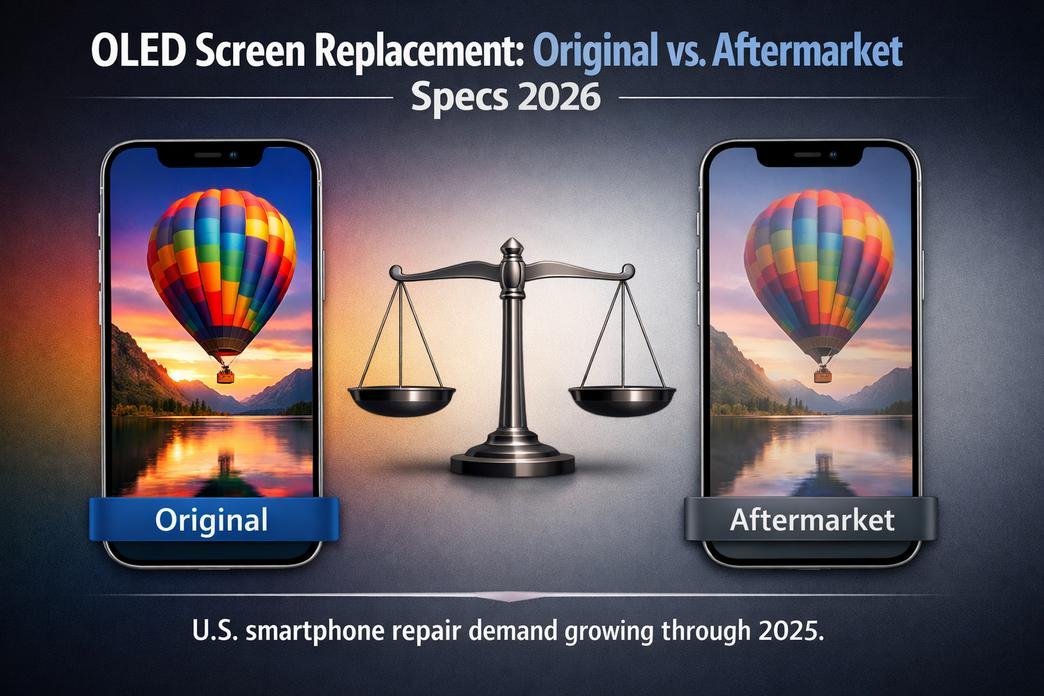
Comparing OEM Screens vs. Aftermarket Options
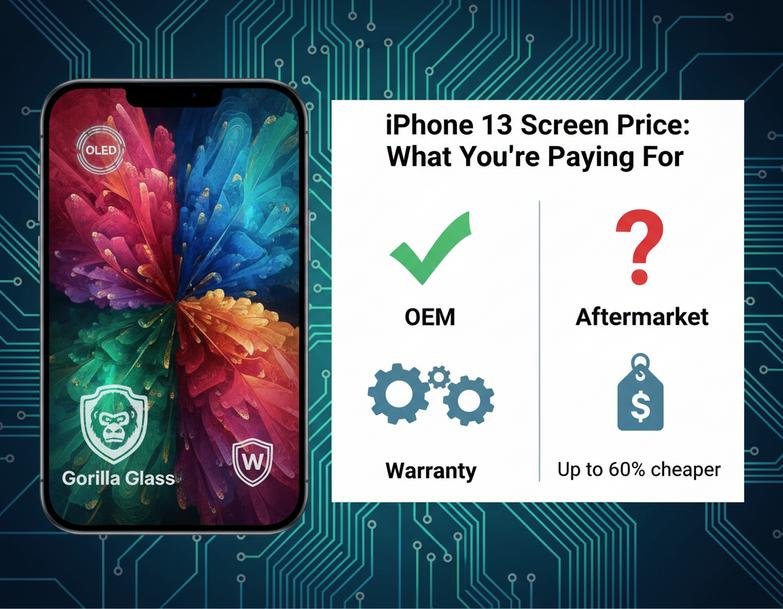
- OEM screens are made by Apple-approved suppliers; aftermarket screens may mimic them but often fall short in reliability.
- Warranty coverage is typically stronger with OEM parts.
- Aftermarket options vary wildly in both build quality and price point.
- Visual clarity: OEM = flawless; aftermarket = hit-or-miss
- Touch responsiveness: OEM maintains consistent performance
- Price gap: Aftermarket can be up to 60% cheaper—but at what cost?
✦ Choosing an aftermarket screen might void your warranty or cause issues with Face ID functionality.
OEMs are pricey because you’re paying for seamless integration and long-term dependability—no weird color tints or laggy response times here. But if you’re tight on cash, some high-quality third-party options can still get the job done… just do your homework before buying.
Average Pricing Across Different Marketplaces
Prices for an iPhone 13 screen fluctuate depending on where you’re shopping:
- Online retailers like Amazon or eBay offer a wide range—from $80 for basic replacements to over $250 for premium kits with tools included
- Local repair shops often charge between $150–$300 including labor
- Apple-authorized service providers stick closer to $279 flat
→ Marketplace competition keeps online prices lower—but beware hidden shipping fees or fake listings
→ Regional differences matter too; urban areas tend to charge more due to overhead costs
Shopping around pays off big time when it comes to finding a fair deal on a new screen. Don’t just search “iphone 13 screen price” once—cross-check across platforms and ask about installation fees upfront so you’re not blindsided later.
In many cases, local technicians will match online prices if asked politely—it never hurts to negotiate!
3 Factors Affecting The Cost Of iPhone 13 Screens
Here’s the lowdown on what really drives up or cuts down your iPhone 13 screen price—from global hiccups to tech specs.
Supply Chain Dynamics: Impact on Costs
- Global logistics bottlenecks can jack up costs when shipping raw materials like glass or semiconductors gets delayed.
- Tariffs and trade restrictions, especially between major regions like the U.S. and China, often cause sudden price spikes in component sourcing.
- When market demand for OLED panels surges, so does the cost—especially if supply is tight.
- Unrest or instability in key manufacturing hubs due to geopolitical factors can lead to inconsistent pricing.
- Disruptions in the availability of rare elements used in screen production impact both quality and cost.
- The sheer complexity of coordinating multiple suppliers across continents affects the final tag on every replacement screen.
Development and Manufacturing Expenses Explained
You’re not just paying for glass—you’re funding innovation behind that crystal-clear display.
- R&D is huge here. Apple invests heavily in refining screen brightness, energy efficiency, and durability—those R&D costs trickle down into pricing.
- Building each unit involves precision tech like laser alignment tools, which adds to high-end equipment investment.
- Skilled labor doesn’t come cheap; specialized workers involved in OLED calibration raise overall labor costs.
→ After assembly, every unit undergoes strict quality control, testing pixel performance under various lighting conditions before it ever sees retail shelves.
And don’t forget economies of scale—when production volume drops due to demand shifts, per-unit cost goes up fast. That’s why the same part might cost more six months later even if nothing else changes.
Importance of Screen Size and Technology
The bigger and brighter it gets, the pricier it becomes—that’s just how display tech rolls.
- Larger displays mean more surface area = higher material costs
- A standard iPhone 13 has a 6.1-inch panel; Pro Max hits 6.7 inches
- Advanced screens use OLED instead of LCD
- Brighter colors, deeper blacks—but also pricier components like organic diodes
- These OLEDs have higher pixel density than older models
- Higher refresh rates (like ProMotion at 120Hz) require better hardware
- That adds another layer to both development costs and final price tags
- Higher resolution screens need more precise manufacturing for uniformity across pixels
Each upgrade stacks onto your total spend—even if you’re just replacing a cracked unit.
Warranty and Customer Support Considerations
Behind every repair bill is a web of policies that quietly shape how much you’ll fork out for an iPhone screen fix.
- A longer warranty period might save cash later but usually bumps up upfront prices since repair coverage is baked into the product line’s margin expectations.
- If your screen dies outside warranty? Expect steep charges unless you’ve got an active extended plan with solid replacement policy terms.
→ AppleCare+ lowers out-of-pocket repairs significantly—but those plans don’t come free either. You pay now or pay later—it’s all part of balancing risk vs convenience.
Customer experience matters too; brands invest heavily in their global support infrastructure, including training local service providers to handle complex replacements without compromising device integrity.
So while you’re comparing options based on “iphone 13 screen price,” remember you’re also buying into a promise—the promise that someone will have your back when things go sideways.
How Apple Sets The Price For iPhone 13 Screens

How does Apple decide what an iPhone 13 screen price should be? Let’s unpack the strategy behind the numbers.
Deep Dive: Apple’s Pricing Strategy for Components
Apple doesn’t just slap a number on its parts—there’s a method to the madness, especially when it comes to screen pricing. Here’s what shapes their pricing strategy:
- Manufacturing Costs: OLED panels used in the iPhone 13 aren’t cheap. Apple sources high-spec displays from suppliers like Samsung and LG, which bumps up base cost.
- Supply Chain Control: Apple tightens its grip on logistics, reducing variability but also locking itself into premium supplier contracts.
- Component Quality: Retina XDR displays aren’t your average screens—they’re brighter, more color accurate, and loaded with tech that justifies a higher tag.
- Profit Margins: Apple aims for north of 30% profit margin per unit. That markup trickles down into every part, including the display.
- Bulk Procurement Discounts: Even though component costs are high, buying at scale allows minor savings—but not enough to make prices “cheap.”
- Custom Engineering Costs: Customization of display hardware (like Ceramic Shield layering) adds extra R&D costs baked into the final price.
All these factors mean that if you’re wondering why an original replacement screen feels pricey—well, it’s because it is. But there’s a reason behind every cent of that iPhone 13 screen price.
Market Positioning and Its Role in Price Determination
Apple’s pricing isn’t just about math—it’s about market psychology too. Here’s how their brand game influences what you pay:
- Consumers associate high cost with premium quality—and Apple leans hard into that expectation.
- By keeping prices elevated, they maintain an aura of exclusivity around devices like the iPhone 13.
- Competitors like Samsung or Google often undercut pricing—but Apple doesn’t flinch because they sell status as much as smartphones.
💡 In a recent IDC report from Q1 2024, analysts noted that “Apple continues to dominate premium segments globally by maintaining pricing discipline even during downturns.” In other words? They don’t drop prices—they set them like they’re setting trends.
And let’s be real—if you’re shopping for an OEM-quality display or checking out repair quotes tied to the iphone 13 screen price, you’ll feel that branding tax immediately.
The takeaway? It’s not just about tech specs or parts—it’s about how people perceive value when they see that glowing logo on their phone screen.
Where To Buy Genuine iPhone 13 Screens

Finding a real-deal screen for your iPhone 13 shouldn’t feel like solving a puzzle. Here’s where to look and what to expect.
Authorized Apple Retailers: Pros and Cons
You’re playing it safe when you hit up Authorized Retailers. These shops are backed by Apple, so:
- You’re guaranteed Genuine Parts.
- Repairs are handled by Expert Technicians.
- You’ll likely keep your Warranty intact.
But here’s the rub:
- Prices tend to be higher than local repair shops.
- Stock can run low, especially in smaller cities.
- Not every store offers walk-in services—you might need an appointment.
If you’re comparing the iphone 13 screen price, these retailers usually hover near the top of the range, but you get peace of mind in return.
Online Marketplaces: Risks and Rewards
Shopping on platforms like eBay, Amazon, or other Online Marketplaces feels convenient—until it isn’t.
- Lower prices? Absolutely.
- Fast shipping? Often, yes.
- Risk of getting a fake screen? Unfortunately, also yes.
Some third-party sellers advertise “OEM” parts that turn out to be knockoffs lacking any real warranty support. If you’re chasing a bargain on an iphone 13 display replacement, double-check seller reviews and return policies before clicking “Buy Now.”
And here’s something else—many screens sold online aren’t compatible with Face ID features or True Tone unless installed properly using calibration tools that only pros have access to.
Direct Purchases from Apple: What to Expect
Getting it straight from the source—the official Apple Store or their website—is as legit as it gets.
Step-by-step, here’s what happens:
- Book an appointment online or visit an Apple location.
- A technician confirms the issue with your iPhone 13 screen.
- They replace it using only Genuine Parts under full Apple Warranty coverage.
- You pay a premium (Premium Price) unless you’ve got active coverage like AppleCare+.
Now check out this quick breakdown of pricing options across sources:
| Source | Approximate Cost ($) | Warranty Included | Installation Type |
|---|---|---|---|
| Apple Store | $279 | Yes | Professional Only |
| Authorized Retailer | $250–$280 | Yes | Professional |
| Amazon (Top-rated Seller) | $90–$150 | Varies | DIY / Third-party shop |
| eBay (Mixed Sellers) | $60–$130 | Rarely | DIY / Third-party shop |
When you’re comparing average figures for the segmented keyword “iphone 13 screen price,” direct-from-Apple always tops the list—but it’s also where quality is rock solid and consistent every time.
Top 5 Retailers For Affordable iPhone 13 Screens

Finding a solid deal on an iPhone 13 screen doesn’t have to feel like hunting for buried treasure. These five retailers bring the goods—each with their own twist.
Amazon: Diverse Choices and Competitive Pricing
- Tons of listings, both OEM and third-party
- Prices often fluctuate daily, so check frequently
- Filters help sort by rating, price, or shipping speed
You’ll find Amazon loaded with options if you’re trying to save on an iPhone 13 screen. With thousands of sellers competing, you can score a solid deal—just don’t skip the reviews. Some screens are bundled with tools or tempered glass, which adds value without hiking up the cost. And thanks to Prime shipping, it’s fast too.
eBay: Bargains and Buyer Beware
- Search for “OEM iPhone 13 screen” to narrow results
- Check seller ratings—aim for at least 98% positive feedback
- Use filters like “Buy It Now” or “Free Returns” for safer bets
eBay is a goldmine when you’re chasing low iPhone 13 screen price tags—but it’s also full of traps. Many listings look too good to be true because they are. Always inspect photos closely and avoid sellers with poor communication or vague descriptions.
Best Buy: Reliability and Customer Service
– Certified parts only
– Geek Squad installation available in-store
– Price matching against other major retailers
If you’re not into DIY repairs and want peace of mind, Best Buy is your guy. While it may not offer the rock-bottom iPhone 13 screen price, what you get is legit quality backed by warranties and friendly service reps who won’t ghost you after purchase.
Newegg: Tech-Savvy Shoppers’ Go-To
Grouped Benefits:
- Tailored for tech repair enthusiasts
- Product specs listed down to pixel density
- User reviews often include installation tips
Newegg isn’t just about CPUs—it’s also great if you’re hunting down a replacement iPhone 13 screen that fits your exact needs. The platform caters to folks who know their stuff, so expect detailed listings packed with info on brightness levels, refresh rate compatibility, and more.
| Screen Type | Avg Price ($) | Shipping Time | Return Policy |
|---|---|---|---|
| OEM Apple Screen | $139 | 2-4 days | Yes |
| Premium Aftermarket | $89 | 3-6 days | Yes |
| Budget Aftermarket | $49 | Varies | Limited |
This table gives a quick peek at how iphone 13 screen price varies based on quality tier over at Newegg.
Local Repair Shops: Hidden Gems for Discounts
First off—don’t sleep on the shop around the corner! Many Local Repair Shops offer unbeatable prices on an iPhone 13 screen, especially if they source refurbished parts directly from suppliers or do bulk installs.
You might even talk them down a bit if you’re friendly—or bring in multiple devices at once. Plus, there’s no waiting around for shipping delays; walk in busted, walk out fixed in under an hour sometimes.
And here’s the kicker: some local shops give lifetime warranties that beat online options hands-down when it comes to peace of mind.
FAQs about iPhone 13 Screen Price

Why does OLED make the iPhone 13 screen price jump so much in bulk?
OLED screens aren’t just brighter—they’re alive with color and contrast. That richness comes at a cost. The materials are delicate, production is complex, and yields can be unpredictable. When you’re buying hundreds, every tiny increase in manufacturing difficulty multiplies fast across your order.
How do I find reliable deals when buying large quantities of iPhone 13 screens?
- Amazon: Offers competitive pricing but watch for third-party sellers—quality varies.
- Newegg: Tech-savvy platform with detailed listings; great for comparison shopping.
- Local repair shops: Surprisingly good source if you build relationships—they often have surplus stock or supplier connections they’ll share off-the-record.
Trust doesn’t come from a product listing—it’s built over time through consistent service and honest parts.
Is OEM really worth it compared to aftermarket when ordering by the hundred?
If you value consistency, yes. OEM screens mean fewer returns, smoother installations, and happier customers. But if you’re running on razor-thin margins or catering to budget repairs? Aftermarket might keep your business afloat—as long as you’re ready to deal with occasional defects or fitment issues.
It’s not just money—it’s reputation too.
Can global supply chain hiccups mess up my entire budget overnight?
Absolutely—and it’s happened before. A single port delay in Shenzhen can ripple into weeks of backorders and sudden price hikes everywhere else. One day your quote looks perfect; the next morning it’s $10 higher per unit because a container didn’t leave port on time.
In this game, timing isn’t everything… it’s survival.




Recent Comments